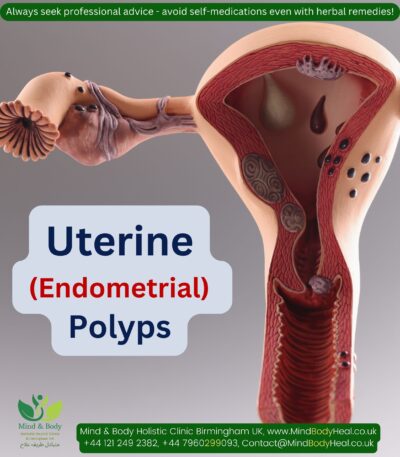

Uterine fibroids also known as leiomyomas or myomas are most common noncancerous growths from the muscular layer of the uterus that often appear during childbearing years in females.
They mainly affect women around the age of 35–45 years and tend to decrease in size after menopause. About 70 to 80 percent of women experience fibroids by the age of 50.
Uterine fibroids growth depends on female hormones. Two hormones called oestrogen and progesterone cause the tissue that lines inside of the uterus to thicken during each menstrual cycle to prepare for pregnancy. These hormones also seem to develop fibroids grow. A single cell divides over and over and it turns into a firm, rubbery mass distinct from nearby tissue.
Uterine fibroids aren’t associated with an increased risk of uterine cancer and almost never develop into cancer.
Fibroids range in size from seedlings – undetectable by the human eye, to bulky masses like size of a golf ball or grapefruit that can distort and enlarge the uterus.
You can have a single fibroid or multiple ones. In extreme cases, multiple fibroids can expand the uterus so much that it reaches the rib cage and can add weight.
Remember that, even if a uterine fibroid is removed surgically, they can still grow back because they are fed by female hormones!
This is why homeopathy is such an important option for treatment, because it is non-invasive and treats the person as a whole, not just their uterus.
Fibroids, Fertility and Pregnancy
Fibroids can also interfere with conception and fertility. They can dramatically increase in size during pregnancy because of the increase in estrogenic levels.
Fibroids that form during pregnancy can shrink or go away after pregnancy, as the uterus goes back to its usual size.
Types of Fibroids – Fibroids are generally classified by their location.
Subserosal – 55% of uterine fibroids are of this type. These form on the outside of your uterus. They may grow large enough to make your womb appear bigger on one side.
Intramural – about 40% of uterine fibroids are this type. They appear within the lining of the uterus (endometrium). They may also grow larger and actually stretch your womb.
Pedunculated – 5% of uterine fibroids are this type. When subserosal tumors develop a stem, they become pedunculated fibroids.
Submucosal – found and develop in the inner lining (myometrium) of your uterus. These tumors are less common than other types but may cause heavy menstrual bleeding and trouble conceiving.
Most common Symptoms and complications
Many women have uterine fibroids sometime during their lives. But you might not know you have such fibroids as they often cause no symptoms., but many may experience:
- Menorrhagia- excessive uterine bleeding with clots
- Metrorrhagia- menstruation at irregular intervals
- Heavy bleeding other than menstruation i.e. Spotting or bleeding between periods.
- Painful, prolonged or frequent periods
- Menstruation that lasts longer than usual
- Increased menstrual cramping
- Feeling of a lump in lower abdomen
- Increased frequency of urination due to pressure on bladder
- Tiredness and weakness, Anaemia, due to blood loss
- Pain in the pelvis, legs and lower back
- Pain during intercourse
- Pressure on rectum, bladder or ovaries causing pain
- Constipation, painful defecation (passing stool).
- Swelling or enlargement of the abdomen or uterus
- Bloating or fullness in the stomach / pelvic region
- Reproductive issues, including infertility and miscarriages
- Difficulty in conception
POSSIBLE CAUSES & RISK FACTORS
The exact cause is unknown! But there is a genetic tendency to produce fibroids, so if your mother or aunts had them, you are also likely to.
- Female hormones oestrogen and progesterone fluctuation
- Obesity
- Eating a lot of poor-quality beef and any type of pork is linked to higher fibroid risk.
- High Blood Pressure
- Hypothyroidism
- Early menstruation: prior to the age of 10 are at a higher risk
- Use of Birth control pills
- Being low on vitamin D
- Having a diet higher in red meat and lower in green vegetables, fruit and dairy
Lifestyle measures to aid treatment – DO’S & DONT’S
- Bed rest if the bleeding is excessive – If you observe heavy bleeding or pain, make yourself comfortable – try lying down and elevating your legs with a pillow.
- Intake of food rich in iron
- Consume more protein rich diet
- Try to eat plenty of fruits like apples, tomatoes, broccoli and cabbage.
- Keep an eye on your blood pressure. Researchers have shown a strong link between fibroids and high blood pressure.
- Manage your stress levels and try relaxation techniques like yoga, massage.
- Avoid processed foods, red meats, and high-fat dairy.
- Don’t skip your workouts. One study found that women who exercised the most (about 7 hours per week of activities like running, dancing, or walking) had the lowest chance of developing fibroids.
- Don’t overdo it on the sugar. A study found that eating a high-sugar diet could be linked to a higher risk of fibroids.
- Don’t smoke. Experts believe that smoking can increase your period pain because it reduces the amount of oxygen that gets to your pelvic region.
FREE Shipping included – Usually dispatched within 1 – 2 working days!
Are you concerned about your health or managing a recurring or chronic condition?
Our website provides informed guidance and initial supportive care for individuals who are finding it difficult to access their doctors or who have not experienced desired improvement with conventional options.
We help individuals explore a range of natural and holistic healing approaches to encourage balance and long-term wellness that may complement your healing journey.
We offer a ready-to-use complementary remedies kit designed to ease discomfort and support well-being, with clear instructions for each item.
The kit includes a personalised selection of remedies based on your signs, symptoms, and likely causative factors.
It may combine homeopathic medicines, herbal or daily supplements, a tailored diet plan, lifestyle guidance, practical tips, and topical applications where needed. It’s suitable if you value the healing potential of natural, holistic remedies.
Complementary remedies work best alongside standard medical treatments and can usually be taken safely with your regular medications.
Our homeopathic remedies follow Dr. Hahnemann’s traditional dilution and succussion methods and are prepared by a qualified naturopathic practitioner, supported by research, clinical experience, and observed outcomes in similar cases. Treatment duration can range from a few weeks to several months, depending on severity and chronicity. Outcomes vary with individual factors and case complexity.
If you prefer lactose pills instead of sucrose globules, let us know. Please also provide the patient’s age so we can supply appropriately sized pills. You can simply send this via WhatsApp at 07960 299 093.
These remedies may contain trace amounts of natural plant, mineral, or animal substances, preserved in medical-grade alcohol. Inform us of any allergies or dietary restrictions before purchase.
You may contact us before starting or book a detailed consultation (in person or via teleconsultation) with one of our experienced naturopath for your detailed assessment or personalized guidance.
Natural remedies can affect the body and may not suit everyone. At the start of treatment, some patients—especially with mental health or skin issues—may experience a temporary increase in symptoms. This may represent medicinal aggravation, indicating the body is responding, though symptoms may not be connected and simply coincidental. If they persist, contact us for support.
Why some patients choose natural, complementary or holistic remedies:
• Symptomatic relief and improved well-being
• Gentle options with fewer side effects
• Whole-person focus, addressing physical, emotional, and lifestyle factors
• Root-cause and preventive emphasis
• Encouragement of active self-care
• Support alongside conventional treatment
• Personalised and accessible care
Precautions:
• Inform your healthcare provider about any complementary therapies
• Some herbs or supplements may interact with conventional medications
• Do not replace conventional treatment for serious, chronic, or terminal conditions
These complementary remedy kits are provided for your own discretion and personal responsibility. Use them mindfully and avoid self-medicating in sensitive situations.
If you are looking for a specific remedy / kit not listed on our site or a customized formulation, contact us—our range is extensive and can be tailored to your physical and mental symptoms and causative factors.
Disclaimer:
Natural remedies—including homeopathic remedies, herbal supplements, and aromatherapy products—are generally safe for most people, including children and older adults. Still, consult your GP or healthcare provider before use, especially if pregnant, breastfeeding, or managing chronic or serious conditions.
- Our remedies support general wellness and are not a substitute for medical advice.
- Review product details and make informed decisions before purchasing, particularly for ongoing or serious concerns.
- We provide general guidance only; detailed personalised consultations are not available through this platform.
- These remedies are intended for individuals able to follow instructions independently.
- Our support focuses on product use and general information; repeated or highly detailed personal queries may not receive individual responses.
- If you need frequent reassurance or highly tailored advice, please consult a qualified naturopath or healthcare provider before purchasing.
Due to strict UK regulations on the sale of medicinal products, we cannot give specific advice, without a face-to-face consultation.