
Peritoneum is a thin membrane that lines the inside the belly (abdomen – the area between the chest and the pelvis) and wraps around various organs inside.
Peritonitis is the inflammation of the peritoneum.
This usually happens when something leaks or breaks inside the abdominal cavity. Fungal or bacterial infections are the most common cause of peritonitis, and it can be very dangerous, as if left untreated, It can lead to a serious or deadly infection (sepsis) that can spread through the body and causing shock, organs failure or even death.
Common Symptoms of peritonitis can include:
- The patient can’t sit still or find a comfortable position.
- Belly pain or tenderness and very sensitive to touch.
- Bloating or a feeling of fullness in the abdomen.
- Ascites – swollen belly – a condition of excess fluid from leaking veins that accumulates in the peritoneum. Major causes for ascites may include liver disease, kidney failure, heart failure and cancer.
- Upset stomach and vomiting.
- Loss of appetite.
- Diarrhoea
- Reduced urine output.
- Great thirst – dehydration.
- Paralytic ileus – when bowels are temporarily paralyzed.
- Unable to pass stool or gas
- Feeling tired or malaise.
- Confusion – cognitive impairment.
- Fast heart rate.
- Shortness of breath.
- Swollen legs and feet (oedema).
- Easy bruising and bleeding
- Cloudy dialysis fluid with an unusual colour and smell
Here are possible causes or risk factors of peritonitis:
- Spontaneous bacterial peritonitis. It can happen due to the liver disease, such as cirrhosis, or kidney disease due to renal failure called peritoneal dialysis – patients who get this treatment.
- Secondary peritonitis the most common one – which normally happens due to a rupture or a hole, inside an organ in the abdomen e.g., stomach and colon or a penetrating wound of the stomach wall, e.g. drains, dialysis tubes – catheters, feeding tubes – medical or surgical instruments etc.
- After the appendix rupture (appendicitis).
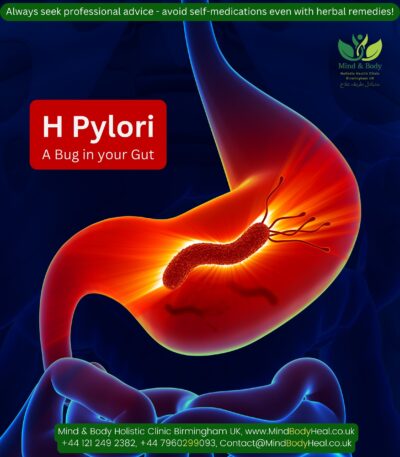
- A perforated stomach ulcer (peptic ulcer disease).
- A punctured intestinal ulcer from diverticulitis (Infection of small, bulging pouches in the digestive tract) or IBD – inflammatory bowel disease and Crohn’s disease.
- A serious injury to your abdomen.
- Chemical reaction to different body fluids, e.g., bile can leak from the gallbladder if severe inflammation (cholecystitis) causes a perforation in the tissues.
- Pancreatitis when pancreatic enzymes leak from your pancreas due to its severe inflammation, causing a perforation in the tissues.
- Gastric acid can leak from the stomach if an ulcer wears a hole all the way through.
- A tumor or cyst that ruptures in your abdomen can cause chemical peritonitis too.
- A ruptured tubo-ovarian abscess from pelvic inflammatory disease.
- A ruptured ectopic pregnancy.
- Abdominal or digestive surgery.
- A complication of endoscopy or colonoscopy – an exam to check inside the digestive tract, rectum and colon with a camera.
Prevention
- Peritonitis that’s mainly linked with peritoneal dialysis is caused by germs around the catheter.
- Wash your hands before you touch the catheter.
- Scrub under your fingernails and between your fingers.
- Clean the skin around the catheter with an antiseptic every day.
- Store your supplies in a clean place.
- Wear a surgical mask during your dialysis fluid exchanges.
FREE Shipping included – Usually dispatched within 1 – 2 working days!
Are you concerned about your health or managing a recurring or chronic condition?
Our website provides informed guidance and initial supportive care for individuals who are finding it difficult to access their doctors or who have not experienced desired improvement with conventional options.
We help individuals explore a range of natural and holistic healing approaches to encourage balance and long-term wellness that may complement your healing journey.
We offer a ready-to-use complementary remedies kit designed to ease discomfort and support well-being, with clear instructions for each item.
The kit includes a personalised selection of remedies based on your signs, symptoms, and likely causative factors.
It may combine homeopathic medicines, herbal or daily supplements, a tailored diet plan, lifestyle guidance, practical tips, and topical applications where needed. It’s suitable if you value the healing potential of natural, holistic remedies.
Complementary remedies work best alongside standard medical treatments and can usually be taken safely with your regular medications.
Our homeopathic remedies follow Dr. Hahnemann’s traditional dilution and succussion methods and are prepared by a qualified naturopathic practitioner, supported by research, clinical experience, and observed outcomes in similar cases. Treatment duration can range from a few weeks to several months, depending on severity and chronicity. Outcomes vary with individual factors and case complexity.
If you prefer lactose pills instead of sucrose globules, let us know. Please also provide the patient’s age so we can supply appropriately sized pills. You can simply send this via WhatsApp at 07960 299 093.
These remedies may contain trace amounts of natural plant, mineral, or animal substances, preserved in medical-grade alcohol. Inform us of any allergies or dietary restrictions before purchase.
You may contact us before starting or book a detailed consultation (in person or via teleconsultation) with one of our experienced naturopath for your detailed assessment or personalized guidance.
Natural remedies can affect the body and may not suit everyone. At the start of treatment, some patients—especially with mental health or skin issues—may experience a temporary increase in symptoms. This may represent medicinal aggravation, indicating the body is responding, though symptoms may not be connected and simply coincidental. If they persist, contact us for support.
Why some patients choose natural, complementary or holistic remedies:
• Symptomatic relief and improved well-being
• Gentle options with fewer side effects
• Whole-person focus, addressing physical, emotional, and lifestyle factors
• Root-cause and preventive emphasis
• Encouragement of active self-care
• Support alongside conventional treatment
• Personalised and accessible care
Precautions:
• Inform your healthcare provider about any complementary therapies
• Some herbs or supplements may interact with conventional medications
• Do not replace conventional treatment for serious, chronic, or terminal conditions
These complementary remedy kits are provided for your own discretion and personal responsibility. Use them mindfully and avoid self-medicating in sensitive situations.
If you are looking for a specific remedy / kit not listed on our site or a customized formulation, contact us—our range is extensive and can be tailored to your physical and mental symptoms and causative factors.
Disclaimer:
Natural remedies—including homeopathic remedies, herbal supplements, and aromatherapy products—are generally safe for most people, including children and older adults. Still, consult your GP or healthcare provider before use, especially if pregnant, breastfeeding, or managing chronic or serious conditions.
- Our remedies support general wellness and are not a substitute for medical advice.
- Review product details and make informed decisions before purchasing, particularly for ongoing or serious concerns.
- We provide general guidance only; detailed personalised consultations are not available through this platform.
- These remedies are intended for individuals able to follow instructions independently.
- Our support focuses on product use and general information; repeated or highly detailed personal queries may not receive individual responses.
- If you need frequent reassurance or highly tailored advice, please consult a qualified naturopath or healthcare provider before purchasing.
Due to strict UK regulations on the sale of medicinal products, we cannot give specific advice, without a face-to-face consultation.