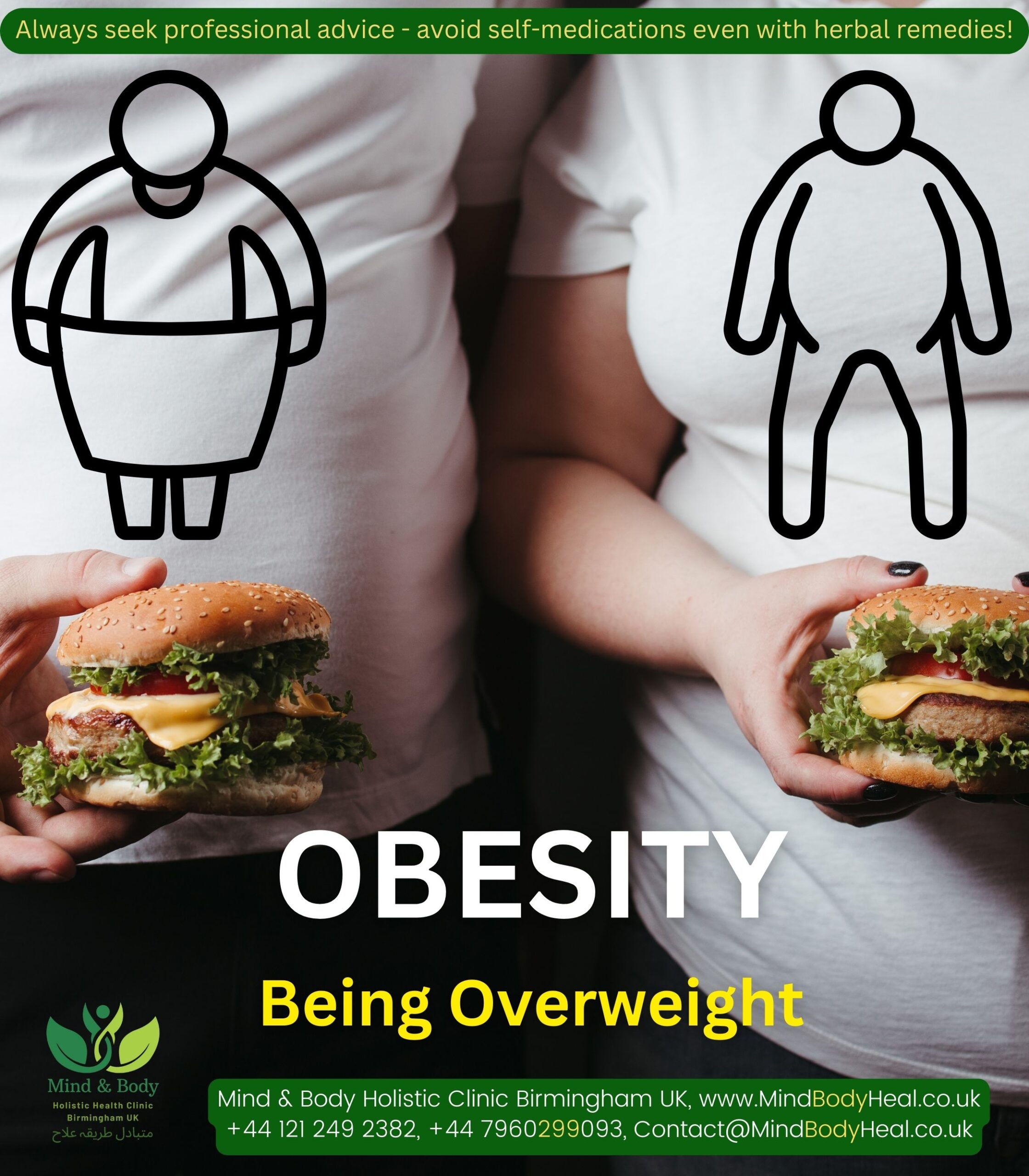
OBESITY – BEING OVERWEIGHT – NUMBER 1 HEALTH CONCERN
Obesity is a complex disease involving having too much body fat.
Being overweight is a growing health concern all over the world. Even more worrying is the number of children who are considered to be obese or overweight.
According to a latest health report, about seven million pounds are spent each weak on diet foods and drinks. Obesity is not just a cosmetic problem; it’s very much a health problem.
As the weight gain does not occur in overnight, so, it is not easy to lose in overnight. To gain a proper weight in the long term, one needs to follow a proper diet plan constantly and help keep motivational level rise all the time.
Losing weight isn’t just about looking good, it is about feeling good; it’s about being healthy and living a productive and comfortable life. Above all, it is about avoiding the terrible health consequences.
People want to lose weight for various reasons. There may be situations where there could be more than one factors.
- Being attractiveness.
- To enjoy good health
- Good night’s sleep
- For stronger immune system
- Fitness
- Enjoy your food
- Fashion
- More jobs prospect
- Peer pressure
- To save finance from obesity products
- To gain confidence
- To enjoy more marital life
- For conception or sterility
Body mass index, known as BMI, is often used to diagnose obesity.
- Below 18.5 Underweight
- 5-24.9 Healthy
- 0-29.9 Overweight
- 0 and higher Obesity
In males there is more of abdominal obesity (android type) and in females it is gluteal (Bottom & hips) obesity (gynoid type).
REMEMBER that there is no magical formula for weight loss. Losing weight is a gradual process with commitment. Generally, the slower the weight comes off, the more likely it will stay off.
It is not very easy to quit eating habits and stop favourite food intake all of the sudden.
Obesity is much more complicated than just overeating a single nutrient. Eating more calories – from fats, carbohydrates, protein, and alcohol – than you burn off less leads to weight gain. Simply people who get little physical activity and eat a diet high in calories are going to gain weight!
Common Causes of Overweight or Obesity.
There are genetic, environmental, physiological and psychological reasons combined with bad diet, physical inactivity and exercise choices for obesity, but it’s often a matter of energy intake Vs energy burning out Or when you ingest more calories than you burn through typical daily activities and exercise. Your body stores these excess calories as fat — often from fast food and high-calorie beverages.
Primary causes of obesity.
- Obesity tends to run in families. That’s not just because of the genes they share. Family members also tend to share similar eating and activity habits.
- Bad habits i.e. overeating and frequent eating – Eating too many calories, especially from foods high in fat, simple carbohydrates and refined ingredients
- Not getting enough quality sleep
- Microbiome – You have poor gut flora
- Living in an obesogenic environment (convenience stores, patrol stations and drive through restaurants etc), where cheap or junk food is easily accessible and marketed in a way that encourages overeating
- Having low self-esteem or depression, or being influenced by the habits of your social network
- Too much sugar intake – sugar is the single worst part of the modern diet – sugar changes the hormones and biochemistry of the body, contributing to weight gain.
- Physical inactivity – Not getting enough exercise i.e. sedentary lifestyle. Modern courtesy of conveniences – such as elevators, cars, remote control use for the television, escalators, online shopping, and drive-through restaurants and banks etc. cut activities out of our lives.
- Many people who live in modern countries now have jobs that are much less physically demanding, so they don’t tend to burn as many calories at work.
- Misinformation – People all over the world are being misinformed about health and nutrition.
- Living in industrialized countries
- Experiencing high levels of stress or being emotionally stressed (from the death of a loved one, for example), which may cause overeating
- Prenatal exposures, such as smoking
- Early sexual or physical abuse
Secondary Causes of Overweight
- Hypothyroidism (under activity of thyroid glands)
- Growth Hormone deficiency – caused by problems arising in the pituitary glands, when the body does not produce enough growth hormone.
- Use of birth control implant
- Insulin resistance
- Cushing’s syndrome (hypercortisolism) is a collection of symptoms caused by very high levels of a hormone called cortisol in the body that causes buffalo hump, moon facies, and short stature
- Post-pregnancy or delivery
- Approaching menopause or post-menopause
- Polycystic ovary syndrome (PCOS): Can cause infrequent menses, hirsutism, and excessive acne
- Hypogonadism: An endocrine disorder that can cause obesity
- Prader-Willi syndrome: A genetic leading known genetic cause of obesity
- MC4R syndromes: A genetic syndrome that’s associated with obesity
- Taking certain medications, such as for diabetes, antipsychotics, some antidepressants, anti-seizure medicines, steroids, anti-migraine drugs and certain beta blockers.
It’s a medical problem that increases the risk of many other diseases and health problems such as heart disease, circulation issues, diabetes, high blood pressure, high cholesterol, liver disease, sleep apnea, gall Stones, gout, osteoarthritis, sexual problems, certain cancers and occupational discrimination etc.
DO’S AND DONT’S
- Avoid a sedentary life.
- Regular and moderate exercises daily, even for 15 – 20 minutes will go a long way.
- Daily fast walking for 45 minutes is helpful to burn calories.
- Do intermittent fasting – there should be no meals between 5pm to 10 am next morning.
- Avoid a high fatty diet like cakes, biscuits, candies, chocolates, butter, cheese and sugar.
- Avoid fried and oily food
- Do not over-eat. Instead eat frequent small meals, rather than infrequent large meals with unhealthy snacks in between.
- Eat 3 to 4 moderate meals a day with your main meal in the middle of the day.
- Eat slowly. Not only will your meal last longer but it will also feel more substantial.
- Avoid smoking and alcohol as it predisposes a person towards obesity.
- Replace daily consumption of soft drinks, fruit juices and milk with 6 to 8 glasses of water.
- A simple crash diet is never an answer to obesity. Instead, a balanced diet with regular exercise is advisable.
- Think of a permanent change rather than a short-term dieting.
- Walking burns upto 250 calories per hour.
- Jogging uses about 400 calories per hour.
- Swimming burns upto 500 calories per hour and
- Playing a game like squash could burn upto 650 calories per hour.
- Brisk walking at a pace of 120 steps per minute not only helps you to lose weight but also gives your heart and lungs a workout at the same time.
- Breastfeeding protects children from becoming obese.
FREE Shipping included – Usually dispatched within 1 – 2 working days!
Are you concerned about your health or managing a recurring or chronic condition?
Our website provides informed guidance and initial supportive care for individuals who are finding it difficult to access their doctors or who have not experienced desired improvement with conventional options.
We help individuals explore a range of natural and holistic healing approaches to encourage balance and long-term wellness that may complement your healing journey.
We offer a ready-to-use complementary remedies kit designed to ease discomfort and support well-being, with clear instructions for each item.
The kit includes a personalised selection of remedies based on your signs, symptoms, and likely causative factors.
It may combine homeopathic medicines, herbal or daily supplements, a tailored diet plan, lifestyle guidance, practical tips, and topical applications where needed. It’s suitable if you value the healing potential of natural, holistic remedies.
Complementary remedies work best alongside standard medical treatments and can usually be taken safely with your regular medications.
Our homeopathic remedies follow Dr. Hahnemann’s traditional dilution and succussion methods and are prepared by a qualified naturopathic practitioner, supported by research, clinical experience, and observed outcomes in similar cases. Treatment duration can range from a few weeks to several months, depending on severity and chronicity. Outcomes vary with individual factors and case complexity.
If you prefer lactose pills instead of sucrose globules, let us know. Please also provide the patient’s age so we can supply appropriately sized pills. You can simply send this via WhatsApp at 07960 299 093.
These remedies may contain trace amounts of natural plant, mineral, or animal substances, preserved in medical-grade alcohol. Inform us of any allergies or dietary restrictions before purchase.
You may contact us before starting or book a detailed consultation (in person or via teleconsultation) with one of our experienced naturopath for your detailed assessment or personalized guidance.
Natural remedies can affect the body and may not suit everyone. At the start of treatment, some patients—especially with mental health or skin issues—may experience a temporary increase in symptoms. This may represent medicinal aggravation, indicating the body is responding, though symptoms may not be connected and simply coincidental. If they persist, contact us for support.
Why some patients choose natural, complementary or holistic remedies:
• Symptomatic relief and improved well-being
• Gentle options with fewer side effects
• Whole-person focus, addressing physical, emotional, and lifestyle factors
• Root-cause and preventive emphasis
• Encouragement of active self-care
• Support alongside conventional treatment
• Personalised and accessible care
Precautions:
• Inform your healthcare provider about any complementary therapies
• Some herbs or supplements may interact with conventional medications
• Do not replace conventional treatment for serious, chronic, or terminal conditions
These complementary remedy kits are provided for your own discretion and personal responsibility. Use them mindfully and avoid self-medicating in sensitive situations.
If you are looking for a specific remedy / kit not listed on our site or a customized formulation, contact us—our range is extensive and can be tailored to your physical and mental symptoms and causative factors.
Disclaimer:
Natural remedies—including homeopathic remedies, herbal supplements, and aromatherapy products—are generally safe for most people, including children and older adults. Still, consult your GP or healthcare provider before use, especially if pregnant, breastfeeding, or managing chronic or serious conditions.
- Our remedies support general wellness and are not a substitute for medical advice.
- Review product details and make informed decisions before purchasing, particularly for ongoing or serious concerns.
- We provide general guidance only; detailed personalised consultations are not available through this platform.
- These remedies are intended for individuals able to follow instructions independently.
- Our support focuses on product use and general information; repeated or highly detailed personal queries may not receive individual responses.
- If you need frequent reassurance or highly tailored advice, please consult a qualified naturopath or healthcare provider before purchasing.
Due to strict UK regulations on the sale of medicinal products, we cannot give specific advice, without a face-to-face consultation.