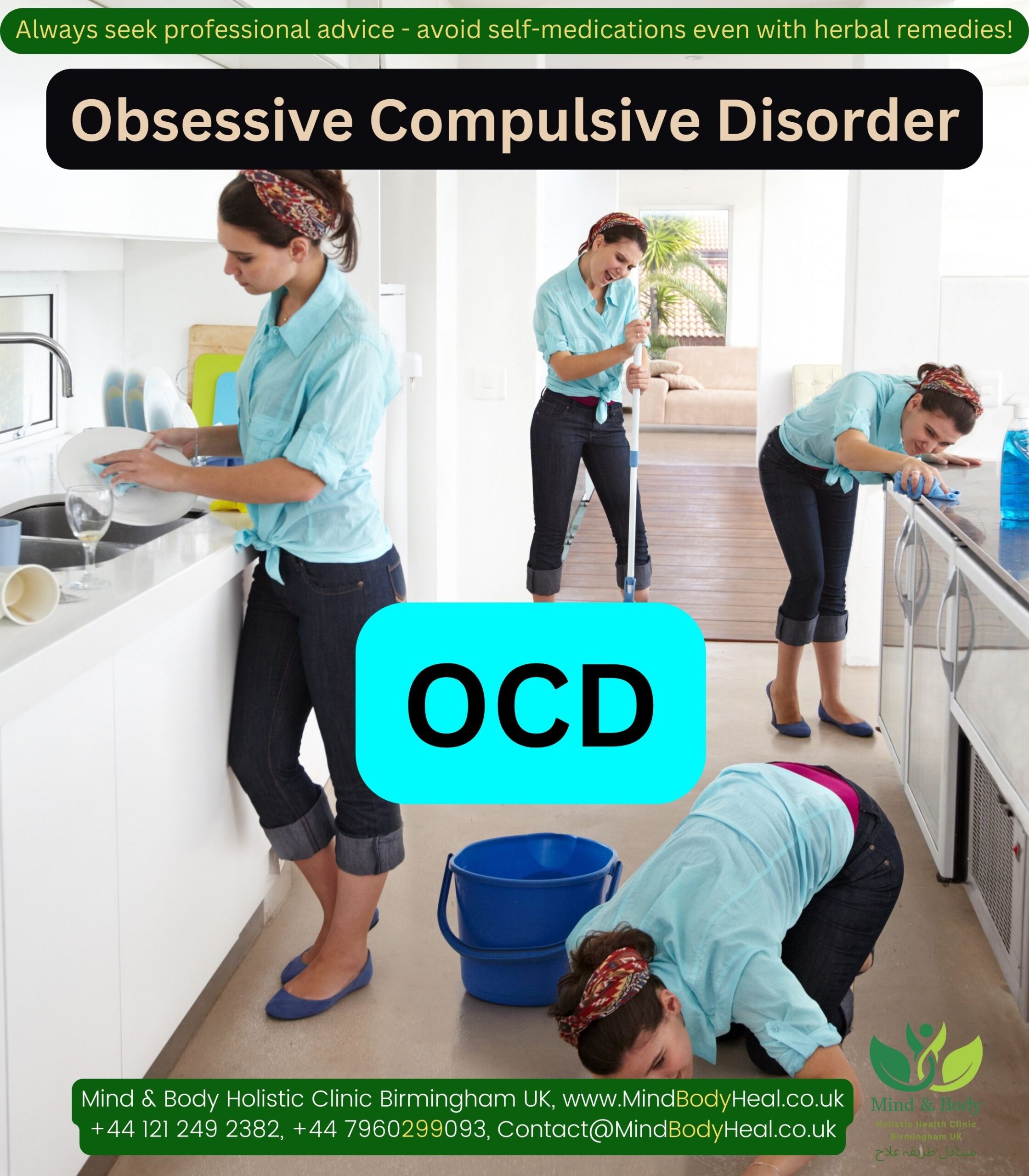
The word obsessed is often used to simply mean “very interested,” but when someone is truly obsessed, their interest has become compulsive, and they have begun to lose control over it.
Obsessions are continuous or persistent ideas, thoughts, images or impulses that are unpleasant and provoke anxiety but cannot get rid of it.
OCD is a disorder in which there is persistent intrusion of unwanted thoughts, fears, urges or actions that the patient is unable to stop lead you to do repetitive behaviours, known as compulsions.
Generally, a loss of control and obsessiveness, which leads to repeated, irrational behaviours (called compulsions).
Even the individual tries to ignore or get rid of bothersome thoughts or urges, they keep coming back as a vicious cycle.
An idea or impulse comes into the individuals mind when he is consciously aware of it.
A feeling of intense anxiety and when the symptoms become more severe the patient may develop additional features of anxiety such as depression
Many people with OCD experience reoccurring, unwanted thoughts, images and “voices inside their head” telling them they must act out of certain compulsions, otherwise something bad is going to happen.
The underlying reason that compulsions are performed is because they provide a temporary sense of happiness, relief and feel reassuring in the face of anxiety.
Obsessive-compulsive disorder usually includes both obsessions and compulsions. But it’s also possible to have either only obsession or only compulsion symptoms.
The condition usually begins in the teen or young adult years around 20, but it can start in childhood and usually thought to be a lifelong disorder.
OCD seems to be prevalent in boys more and is usually diagnosed earlier in life than in girls.
COMMON SYMPTOMS
Symptoms usually begin over time and tend to vary in how serious they are. They can be mild to moderate and certain symptoms get worse when you are under greater stress, including times of transition and changes in life.
OCD symptoms can be categorized into different types based on their recurring compulsions:
- Washers due to fear of contamination by touch or germs and becoming dirty or sick and may wash their hands over and over again until they’re sore and chapped.
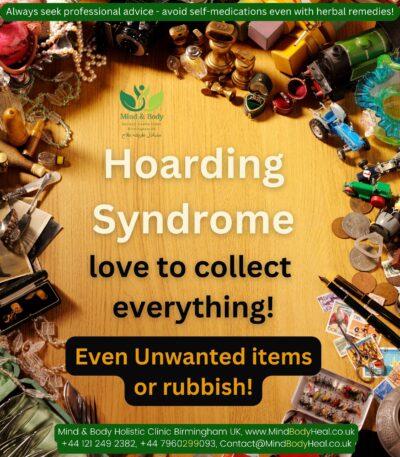
- Hoarders keep collecting even unwanted stuff and they find it very hard to discard of things or throw them away.
- Doubters have strong fears for being wrong, rejected, blamed or ridiculed by others and having a hard time dealing with uncertainty. Having strong doubts that you’ve locked the door or turned off the stove etc.
- Checkers great fear being harmed from perceived dangers, such as from fires, thieves, robbers, animals, etc.
- Counters they tend to count things or money repeatedly
- Arrangers a kind of perfectionists who fixate on order, patterns, symmetry and balanced.
- Aggressive or horrific thoughts about losing control and harming yourself or others.
- Silently repeating a prayer, word or phrase.
- Trying to replace a bad thought with a good thought.
- Arranging your canned goods to face the same way or complete tasks in a certain order.
- Extreme anxiety when rituals or compulsions are not performed or are interfered with.
- Strong aversions or feelings against “taboos” like sex, religion, violence
- Few other themes are following a strict routine, demanding reassurance.
POSSIBLES CAUSES & RISK FACTORS
The exact cause of obsessive-compulsive disorder isn’t fully understood, but few main theories include:
- Heredity; higher incidence in families of the patient.
- Biology – may be due to changes in your body’s natural chemistry or brain functions.
- OCD may be related to other mental health disorders, such as anxiety disorders, depression, substance abuse or tic disorders.
- No significant sex differences, affects male female both.
- Rate is higher in those who are highly intelligent.
- Stressful or traumatic life events. It may occur in connection to the events that have occurred in early years where conflicts between feeling of love and hate towards the parental figures who are seen as interfering with the pursuit of pleasurable activities leads to state of doubt.
Further Complications
- People with OCD, may be ashamed, embarrassed and frustrated about the condition.
- These obsessions and compulsions get in the way of their daily activities or responsibilities and cause a lot of distress.
- Research shows that a high percentage of people with OCD experiences significant problems in their daily life, including feeling isolated and cut off from relationships.
- A hard time holding a steady job.
- They may even lose control over their nervous system such as repeatedly blinking, speaking or grunting, and moving body parts like the face, neck or shoulders.
- Poor quality of life.
- Excessive time spent taking part in ritualistic behaviours.
- Health risks increase such as contact dermatitis from frequent handwashing etc.
- Having a hard time going to work or school or taking part in social activities.
- Thoughts about self-harm, suicide and behaviour related to suicide are more common.
DO’S & DON’TS
Patient should be kept away from physiological upsets.
You need to make up rules or rituals to follow that help control your anxiety when you’re having obsessive thoughts.
FREE Shipping included – Usually dispatched within 1 – 2 working days!
Are you concerned about your health or managing a recurring or chronic condition?
Our website provides informed guidance and initial supportive care for individuals who are finding it difficult to access their doctors or who have not experienced desired improvement with conventional options.
We help individuals explore a range of natural and holistic healing approaches to encourage balance and long-term wellness that may complement your healing journey.
We offer a ready-to-use complementary remedies kit designed to ease discomfort and support well-being, with clear instructions for each item.
The kit includes a personalised selection of remedies based on your signs, symptoms, and likely causative factors.
It may combine homeopathic medicines, herbal or daily supplements, a tailored diet plan, lifestyle guidance, practical tips, and topical applications where needed. It’s suitable if you value the healing potential of natural, holistic remedies.
Complementary remedies work best alongside standard medical treatments and can usually be taken safely with your regular medications.
Our homeopathic remedies follow Dr. Hahnemann’s traditional dilution and succussion methods and are prepared by a qualified naturopathic practitioner, supported by research, clinical experience, and observed outcomes in similar cases. Treatment duration can range from a few weeks to several months, depending on severity and chronicity. Outcomes vary with individual factors and case complexity.
If you prefer lactose pills instead of sucrose globules, let us know. Please also provide the patient’s age so we can supply appropriately sized pills. You can simply send this via WhatsApp at 07960 299 093.
These remedies may contain trace amounts of natural plant, mineral, or animal substances, preserved in medical-grade alcohol. Inform us of any allergies or dietary restrictions before purchase.
You may contact us before starting or book a detailed consultation (in person or via teleconsultation) with one of our experienced naturopath for your detailed assessment or personalized guidance.
Natural remedies can affect the body and may not suit everyone. At the start of treatment, some patients—especially with mental health or skin issues—may experience a temporary increase in symptoms. This may represent medicinal aggravation, indicating the body is responding, though symptoms may not be connected and simply coincidental. If they persist, contact us for support.
Why some patients choose natural, complementary or holistic remedies:
• Symptomatic relief and improved well-being
• Gentle options with fewer side effects
• Whole-person focus, addressing physical, emotional, and lifestyle factors
• Root-cause and preventive emphasis
• Encouragement of active self-care
• Support alongside conventional treatment
• Personalised and accessible care
Precautions:
• Inform your healthcare provider about any complementary therapies
• Some herbs or supplements may interact with conventional medications
• Do not replace conventional treatment for serious, chronic, or terminal conditions
These complementary remedy kits are provided for your own discretion and personal responsibility. Use them mindfully and avoid self-medicating in sensitive situations.
If you are looking for a specific remedy / kit not listed on our site or a customized formulation, contact us—our range is extensive and can be tailored to your physical and mental symptoms and causative factors.
Disclaimer:
Natural remedies—including homeopathic remedies, herbal supplements, and aromatherapy products—are generally safe for most people, including children and older adults. Still, consult your GP or healthcare provider before use, especially if pregnant, breastfeeding, or managing chronic or serious conditions.
- Our remedies support general wellness and are not a substitute for medical advice.
- Review product details and make informed decisions before purchasing, particularly for ongoing or serious concerns.
- We provide general guidance only; detailed personalised consultations are not available through this platform.
- These remedies are intended for individuals able to follow instructions independently.
- Our support focuses on product use and general information; repeated or highly detailed personal queries may not receive individual responses.
- If you need frequent reassurance or highly tailored advice, please consult a qualified naturopath or healthcare provider before purchasing.
Due to strict UK regulations on the sale of medicinal products, we cannot give specific advice, without a face-to-face consultation.