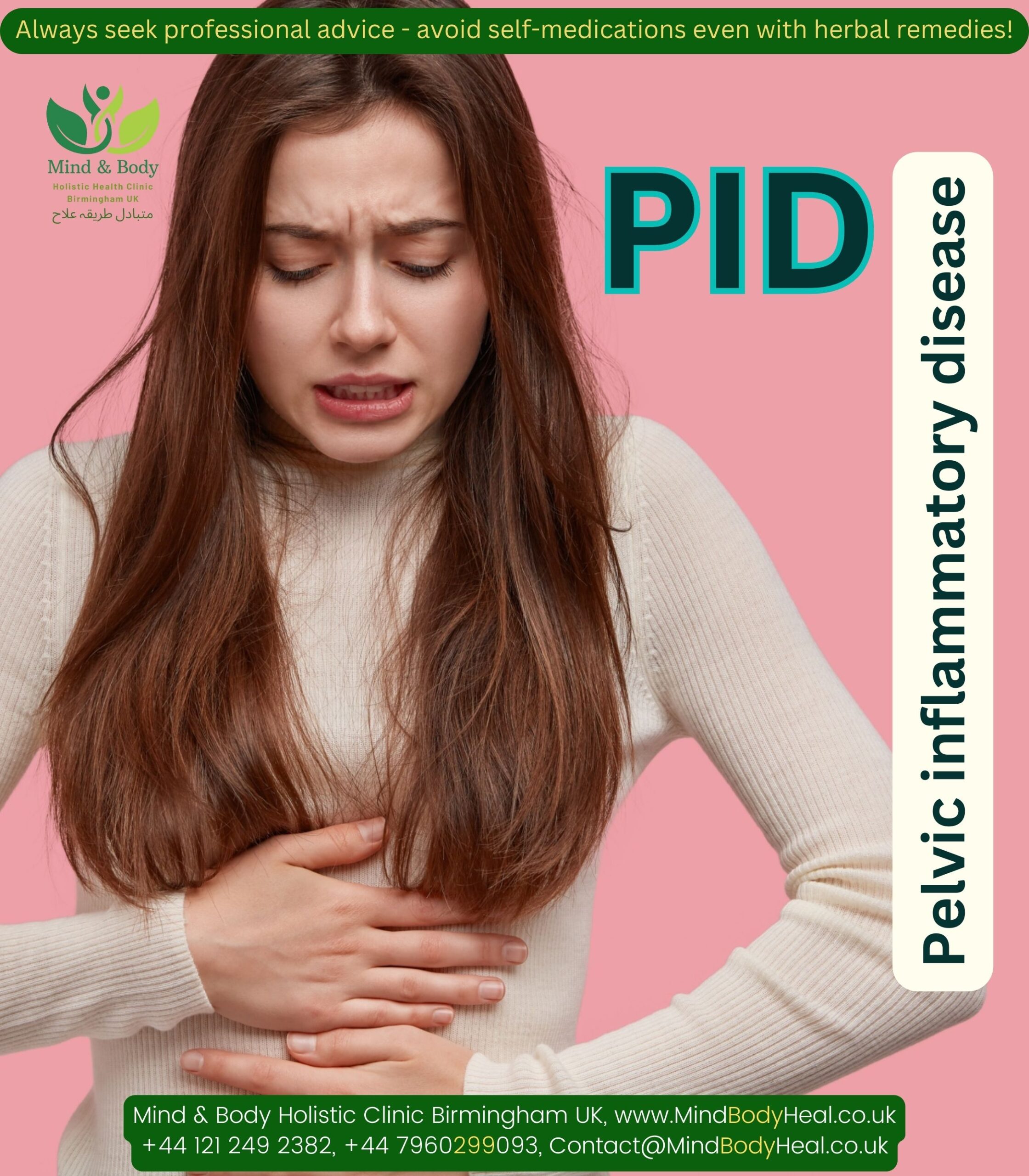
PID – Ascending infection (Pelvic inflammatory disease) is a kind of infection / inflammation of the female reproductive organs that starts at endocervix, progress to female reproductive tracts – cause endometriosis, saplings, peritonitis.
It can lead to damage to the uterus, ovaries, fallopian tubes, or other parts of the reproductive system, and is one of the primary preventable causes of infertility in women. Lower abdomen pain, dyspareunia (painful sex), abnormal vaginal discharge, dysuria, fever etc., are few of its most common complaints.
The female reproductive system has the natural defence function, in normal conditions, it can resist bacterium’s invasion. PID occurs when the disease-causing organisms travel from the cervix to the upper genital tract.
Less commonly, bacteria may enter the reproductive tract anytime, if the normal barrier created by the cervix is disturbed. This can happen after intrauterine device (IUD) insertion, childbirth, miscarriage or abortion.
The symptoms of PID can vary, but may include the following:
- Mild or no symptoms is especially common when the infection is due to chlamydia.
- Dull pain or tenderness in the stomach or lower abdominal area, or pain in the right upper abdomen.
- Abnormal vaginal discharge that is yellow or green in colour or that has an unusual, foul odour.
- Unusual bleeding from the vagina, especially during or after sex, or between periods
- Dysuria – Painful, frequent or difficult urination
- A burning feeling when urinating.
- Irregular menses
- Chills or high fever.
- Nausea and vomiting.
- Pain during sex.
There are several things which would put a woman at risk for PID, including:
- Sexually active young women (teenagers or under 25) are more likely to develop PID than are older women.
- Damage to the cervix following childbirth or a miscarriage.
- Having multiple sexual partners
- Being in a sexual relationship with a person who has more than one sex partner
- Having had an IUD inserted recently
- Vaginal or bowel infection
- Bacteria that cause infections like the flu, pneumonia, and strep
- Douching regularly, which upsets the balance of good versus harmful bacteria in the vagina. Douching may push bacteria into the upper genital tract and may mask the discharge that could alert a woman to seek medical attention.
- Having a history of pelvic inflammatory disease or a sexually transmitted infection
- Women who have had a prior episode of PID are at higher risk for another episode.
- Untreated gonorrhoea and chlamydia cause about 90% of all cases of PID. These bacteria are usually acquired during unprotected sex (without condom).
- Ruptured appendix
- Some surgical procedures
Further complications:
Untreated pelvic inflammatory disease may cause scar tissue and collections of infected fluid (abscesses) to develop in your fallopian tubes and damage your reproductive organs. Complications may include:
Ectopic pregnancy. PID is a major cause of tubal (ectopic) pregnancy. In an ectopic pregnancy, the fertilized egg can’t make its way through the fallopian tube to implant in the uterus. Ectopic pregnancies can cause massive, life-threatening bleeding and require emergency surgery.
Infertility. PID may damage your reproductive organs and cause infertility — the inability to become pregnant.
The more times you’ve had PID, the greater your risk of infertility. Delaying treatment for PID also dramatically increases your risk of infertility.
Chronic pelvic pain. Pelvic inflammatory disease can cause pelvic pain that may last for months or years. Scarring in your fallopian tubes and other pelvic organs can cause pain during intercourse and ovulation.
How to diagnose PID?
- Pelvic exam.
- Vagina and cervix, blood or urine tests for chlamydia, gonorrhoea, and other infections.
- An ultrasound scan, which is usually carried out using a probe passed into the vagina
Natural Preventative Measures: Prevention of PID
- Limit the number of your sexual partners.
- Know the sexual histories of your partners and be especially careful with those who have had many partners, have used drugs intravenously, have had sexually transmitted diseases before, or who have practiced or been subjected to high-risk sex (that is, sex that is injurious or traumatic, and/or involves exchange of bodily fluids).
- Avoid exchanges of bodily fluids, especially of blood and semen, which are common carriers of viruses. Abstain from sexual activity or use condoms whenever there is doubt about safety. Condoms are not a guaranteed solution to the problem of transmission of STDs, but they can dramatically lower the risk of contracting gonorrhoea, AIDS and other sexually transmitted infections.
- Do not use vaginal douching. The normal organisms in the vaginal flora help to ward off infectious bacteria naturally. Bathing regularly and washing from front to back in the perineal area is enough. Be sure to wipe front to back as well to prevent bacteria from the rectum from gaining access to the vagina.
- Because chlamydia infection with often occurs without symptoms, people who are infected may unknowingly pass it onto their sex partners. The CDC and many doctors recommend that all sexually active persons under age 25 who have more than one sex partner should be tested annually for chlamydia, even in the absence of symptoms. If a woman has any of the symptoms of PID listed above, she should abstain from sexual activity until she and her partners are tested for an STD and treated, if necessary.
General recommendations
- Bed rest. Patients need to rest and reduce physical activity to help the body recuperate faster.
- Avoid sexual activity. Both patient and her partner should be treated for PID infections. They should also avoid sexual activity until their infections are completely eradicated.
- Healthy diet. Diet should include a variety of fresh fruits and vegetables. These foods contain high number of phytonutrients and essential vitamins that help keep the body strong and stimulate the immune system to fight infections.
FREE Shipping included – Usually dispatched within 1 – 2 working days!
Are you concerned about your health or managing a recurring or chronic condition?
Our website provides informed guidance and initial supportive care for individuals who are finding it difficult to access their doctors or who have not experienced desired improvement with conventional options.
We help individuals explore a range of natural and holistic healing approaches to encourage balance and long-term wellness that may complement your healing journey.
We offer a ready-to-use complementary remedies kit designed to ease discomfort and support well-being, with clear instructions for each item.
The kit includes a personalised selection of remedies based on your signs, symptoms, and likely causative factors.
It may combine homeopathic medicines, herbal or daily supplements, a tailored diet plan, lifestyle guidance, practical tips, and topical applications where needed. It’s suitable if you value the healing potential of natural, holistic remedies.
Complementary remedies work best alongside standard medical treatments and can usually be taken safely with your regular medications.
Our homeopathic remedies follow Dr. Hahnemann’s traditional dilution and succussion methods and are prepared by a qualified naturopathic practitioner, supported by research, clinical experience, and observed outcomes in similar cases. Treatment duration can range from a few weeks to several months, depending on severity and chronicity. Outcomes vary with individual factors and case complexity.
If you prefer lactose pills instead of sucrose globules, let us know. Please also provide the patient’s age so we can supply appropriately sized pills. You can simply send this via WhatsApp at 07960 299 093.
These remedies may contain trace amounts of natural plant, mineral, or animal substances, preserved in medical-grade alcohol. Inform us of any allergies or dietary restrictions before purchase.
You may contact us before starting or book a detailed consultation (in person or via teleconsultation) with one of our experienced naturopath for your detailed assessment or personalized guidance.
Natural remedies can affect the body and may not suit everyone. At the start of treatment, some patients—especially with mental health or skin issues—may experience a temporary increase in symptoms. This may represent medicinal aggravation, indicating the body is responding, though symptoms may not be connected and simply coincidental. If they persist, contact us for support.
Why some patients choose natural, complementary or holistic remedies:
• Symptomatic relief and improved well-being
• Gentle options with fewer side effects
• Whole-person focus, addressing physical, emotional, and lifestyle factors
• Root-cause and preventive emphasis
• Encouragement of active self-care
• Support alongside conventional treatment
• Personalised and accessible care
Precautions:
• Inform your healthcare provider about any complementary therapies
• Some herbs or supplements may interact with conventional medications
• Do not replace conventional treatment for serious, chronic, or terminal conditions
These complementary remedy kits are provided for your own discretion and personal responsibility. Use them mindfully and avoid self-medicating in sensitive situations.
If you are looking for a specific remedy / kit not listed on our site or a customized formulation, contact us—our range is extensive and can be tailored to your physical and mental symptoms and causative factors.
Disclaimer:
Natural remedies—including homeopathic remedies, herbal supplements, and aromatherapy products—are generally safe for most people, including children and older adults. Still, consult your GP or healthcare provider before use, especially if pregnant, breastfeeding, or managing chronic or serious conditions.
- Our remedies support general wellness and are not a substitute for medical advice.
- Review product details and make informed decisions before purchasing, particularly for ongoing or serious concerns.
- We provide general guidance only; detailed personalised consultations are not available through this platform.
- These remedies are intended for individuals able to follow instructions independently.
- Our support focuses on product use and general information; repeated or highly detailed personal queries may not receive individual responses.
- If you need frequent reassurance or highly tailored advice, please consult a qualified naturopath or healthcare provider before purchasing.
Due to strict UK regulations on the sale of medicinal products, we cannot give specific advice, without a face-to-face consultation.