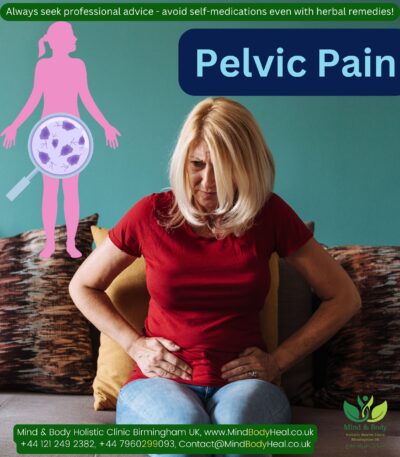
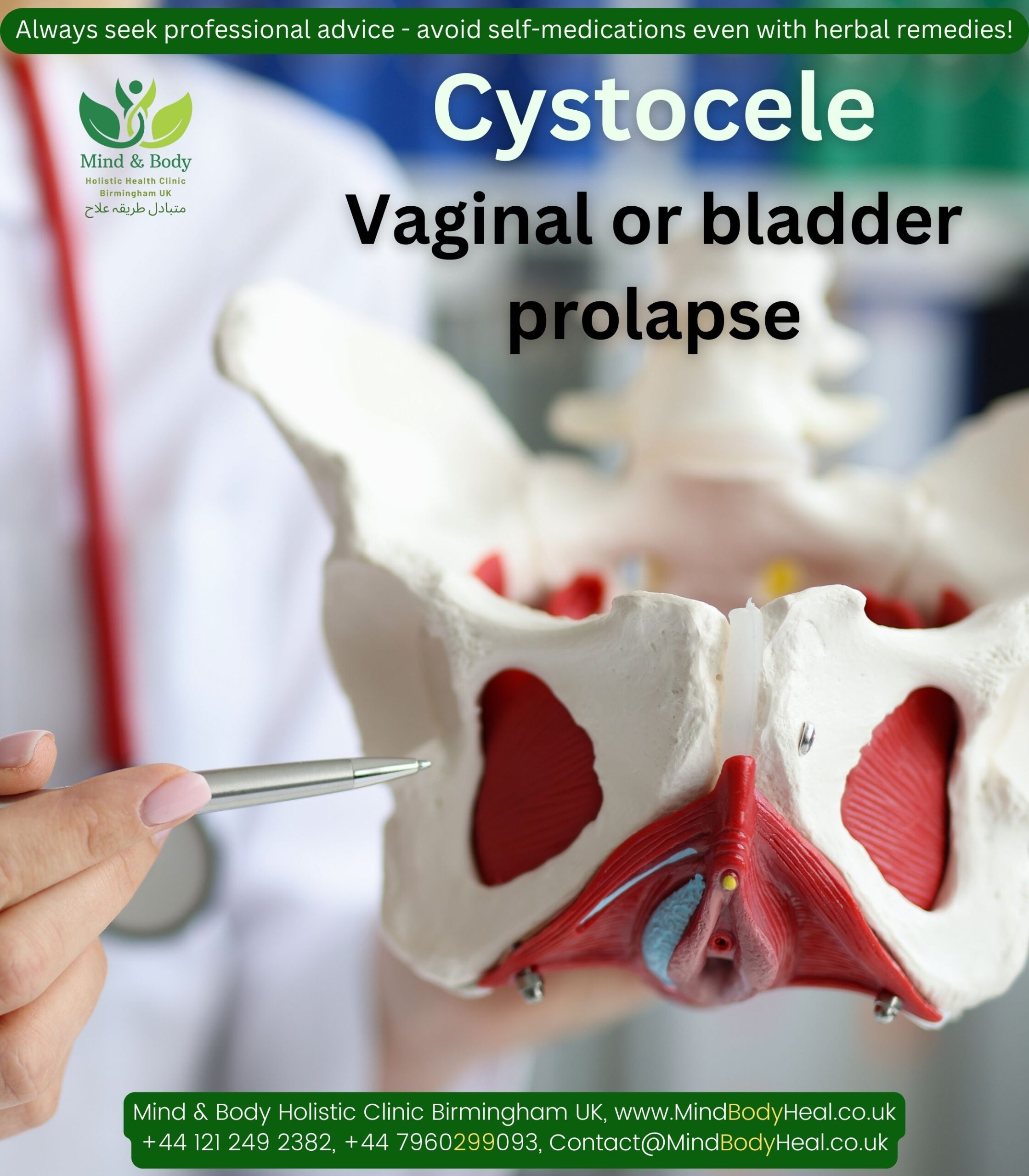
Vaginal, uterus, rectal or bladder prolapse is a condition where the vagina or bladder slips out of position.
It is a herniation (bulge) of the front wall of the rectum into the back wall of the vagina in females.
Vaginal prolapse is relatively common. About one-third of women will experience some degree of prolapse during their lifetime.
Vaginal prolapse happens when the muscles that support the organs in a woman’s pelvis weaken. This weakening allows the uterus, urethra, bladder, or rectum to droop down into the vagina or protrude out.
Common causes of vaginal prolapse:
- Approaching or experiencing menopause
- Low levels of oestrogen due to menopause
- Smokers
- Chronic constipation or straining with bowel movements
- Chronic cough or bronchitis
- Repeated lifting heavy objects
- History of fibroids or pelvic tumours
- Weakening of the pelvic floor.
Reasons of weakening of the pelvic floor could be:
- Multiple vaginal deliveries, If you’ve had tears in the tissue between the vaginal opening and anus (perineal tears) or incisions that extend the opening of the vagina during childbirth, you may also be at higher risk.
- Birthing trauma during delivery (e.g., forceps or vacuum delivery, tearing with a vaginal delivery, and episiotomy during vaginal delivery).
- Damage to nerves. Nerve damage can be caused by pregnancy, difficult vaginal childbirth, anal sphincter paralysis, spinal injury, back injury / back surgery, and / or other surgeries of the pelvic area.
Possible Risk factors
Genetics. Some women are born with weaker connective tissues in the pelvic area, making them naturally more likely to develop posterior vaginal prolapse.
Aging. As you grow older, you naturally lose muscle mass, elasticity and nerve function, causing muscles to stretch or weaken.
Being overweight or Obesity. Extra body weight places stress on pelvic floor tissues.
Prevention
- Perform Kegel exercises regularly. These exercises can strengthen your pelvic floor muscles — especially important after you have a baby.
- Treat and prevent constipation. Drink plenty of fluids and eat high-fiber foods, such as fruits, vegetables, beans and whole-grain cereals.
- Avoid heavy lifting and lift correctly. When lifting, use your legs instead of your waist or back.
- Control coughing. Get treatment for a chronic cough or bronchitis, and don’t smoke.
- Avoid weight gain. get advice on weight-loss strategies, if you need them.
Vaginal prolapse symptoms may include:
- The sensation of rectal or pelvic pressure
- The sensation that something is falling out of or fullness in the vagina
- A lump at the opening of the vagina
- A feeling like you’re “sitting on a ball”
- Achy pain in your lower back that gets better when you lie down
- A need to urinate more often than usual
- Frequent bladder infections – UTI’s
- Abnormal bleeding from the vagina
- Leaking of urine when you cough, sneeze, laugh, have sex, or exercise
- A soft bulge of tissue in vagina that might protrude through the vaginal opening
- Difficulty having a bowel movement
- A feeling that the rectum has not completely emptied after a bowel movement
- Changes in bladder function, such as inability to empty the bladder
- Feeling embarrassed or sensing looseness in the tone of your vaginal tissue
- Sexual concern – Discomfort or pain during sexual intercourse
- Many women also experience prolapse of other pelvic organs, such as the bladder, uterus
- Difficulty using tampons
FREE Shipping included – Usually dispatched within 1 – 2 working days!
Are you concerned about your health or managing a recurring or chronic condition?
Our website provides informed guidance and initial supportive care for individuals who are finding it difficult to access their doctors or who have not experienced desired improvement with conventional options.
We help individuals explore a range of natural and holistic healing approaches to encourage balance and long-term wellness that may complement your healing journey.
We offer a ready-to-use complementary remedies kit designed to ease discomfort and support well-being, with clear instructions for each item.
The kit includes a personalised selection of remedies based on your signs, symptoms, and likely causative factors.
It may combine homeopathic medicines, herbal or daily supplements, a tailored diet plan, lifestyle guidance, practical tips, and topical applications where needed. It’s suitable if you value the healing potential of natural, holistic remedies.
Complementary remedies work best alongside standard medical treatments and can usually be taken safely with your regular medications.
Our homeopathic remedies follow Dr. Hahnemann’s traditional dilution and succussion methods and are prepared by a qualified naturopathic practitioner, supported by research, clinical experience, and observed outcomes in similar cases. Treatment duration can range from a few weeks to several months, depending on severity and chronicity. Outcomes vary with individual factors and case complexity.
If you prefer lactose pills instead of sucrose globules, let us know. Please also provide the patient’s age so we can supply appropriately sized pills. You can simply send this via WhatsApp at 07960 299 093.
These remedies may contain trace amounts of natural plant, mineral, or animal substances, preserved in medical-grade alcohol. Inform us of any allergies or dietary restrictions before purchase.
You may contact us before starting or book a detailed consultation (in person or via teleconsultation) with one of our experienced naturopath for your detailed assessment or personalized guidance.
Natural remedies can affect the body and may not suit everyone. At the start of treatment, some patients—especially with mental health or skin issues—may experience a temporary increase in symptoms. This may represent medicinal aggravation, indicating the body is responding, though symptoms may not be connected and simply coincidental. If they persist, contact us for support.
Why some patients choose natural, complementary or holistic remedies:
• Symptomatic relief and improved well-being
• Gentle options with fewer side effects
• Whole-person focus, addressing physical, emotional, and lifestyle factors
• Root-cause and preventive emphasis
• Encouragement of active self-care
• Support alongside conventional treatment
• Personalised and accessible care
Precautions:
• Inform your healthcare provider about any complementary therapies
• Some herbs or supplements may interact with conventional medications
• Do not replace conventional treatment for serious, chronic, or terminal conditions
These complementary remedy kits are provided for your own discretion and personal responsibility. Use them mindfully and avoid self-medicating in sensitive situations.
If you are looking for a specific remedy / kit not listed on our site or a customized formulation, contact us—our range is extensive and can be tailored to your physical and mental symptoms and causative factors.
Disclaimer:
Natural remedies—including homeopathic remedies, herbal supplements, and aromatherapy products—are generally safe for most people, including children and older adults. Still, consult your GP or healthcare provider before use, especially if pregnant, breastfeeding, or managing chronic or serious conditions.
- Our remedies support general wellness and are not a substitute for medical advice.
- Review product details and make informed decisions before purchasing, particularly for ongoing or serious concerns.
- We provide general guidance only; detailed personalised consultations are not available through this platform.
- These remedies are intended for individuals able to follow instructions independently.
- Our support focuses on product use and general information; repeated or highly detailed personal queries may not receive individual responses.
- If you need frequent reassurance or highly tailored advice, please consult a qualified naturopath or healthcare provider before purchasing.
Due to strict UK regulations on the sale of medicinal products, we cannot give specific advice, without a face-to-face consultation.