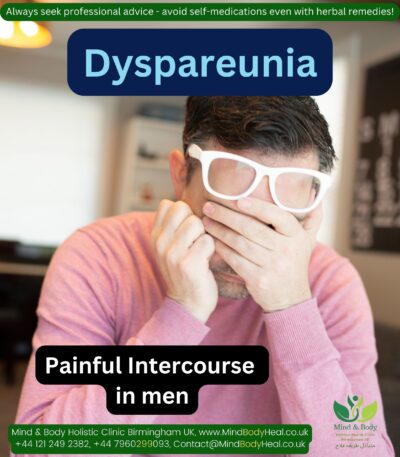

Painful intercourse is dyspareunia is a recurrent or persistent genital pain that occurs just before, during or after sex, that can lead to distress and relationship problems and inability to practice coitus.
Pain during sex can happen for multiple reasons that range from structural problems to psychological concerns which can affect both men and women, but more common in women.
Common Symptoms
Pain can range from moderate to severe. During a painful intercourse, one might feel:
- Pain that may occur at the vaginal opening (called penetration) or deep in the pelvis.
- Pain with every penetration, including putting in a tampon.
- Deep pain during thrusting.
- Throbbing pain lasting hours after sex.
- The pain may be distinct and localized, with the sense of great discomfort.
- Aching, burning, throbbing, or ripping sensation.
- Dissatisfaction with, or disinterest in, intercourse can result.
Possible Causes of painful sex in Females
- Being over-weight (Obesity)
- Entry pain may be associated with vaginal dryness – not enough lubrication (due to lack of foreplay!).
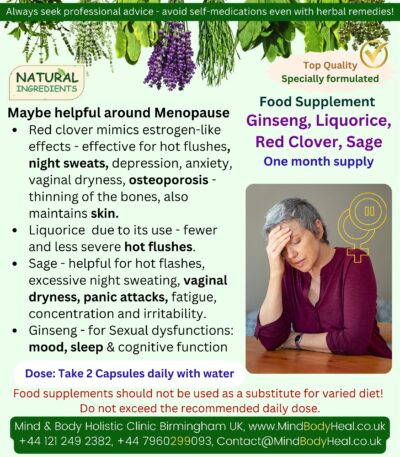
- A drop in oestrogen levels around menopause, childbirth or during breastfeeding also cause lack of lubrication.
- Certain medicines (such as antidepressants, high blood pressure medicines, sedatives, antihistamines and birth control pills) can affect sexual desire or arousal. That can decrease lubrication.
- Virilism (presence of male characteristics in female)
- Anal fissure and haemorrhoids
- Painful perineal scar after childbirth
- Painful tight hymen (membranous fold covering the vaginal orifice)
- Cysto-urethritis
- Interstitial cystitis: A chronic painful bladder condition
- Vaginitis
- Narrow introitus (vaginal opening)
- Vaginal stenosis following any operation
- Endometriosis
- Prolapsed ovaries
- Injury, trauma or irritation.
- Vulvar vestibulitis that is Inflammation, infection.
- Skin disorders or irritation: from eczema, lichen planus, lichen sclerosis etc.
- Vaginal yeast infections, urinary tract infections, or sexually transmitted infections (STIs).
- Allergic reactions to clothing, laundry detergents, or personal hygiene products.
- Not having a fully formed vagina since birth. or having a membrane that blocks the vaginal opening.
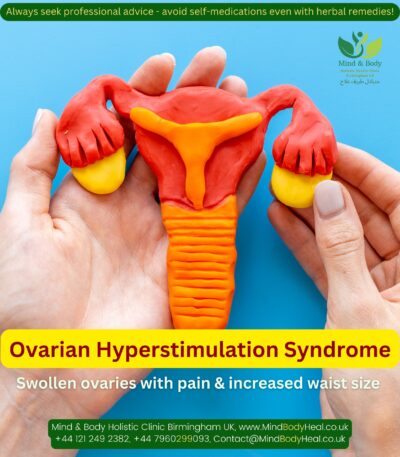
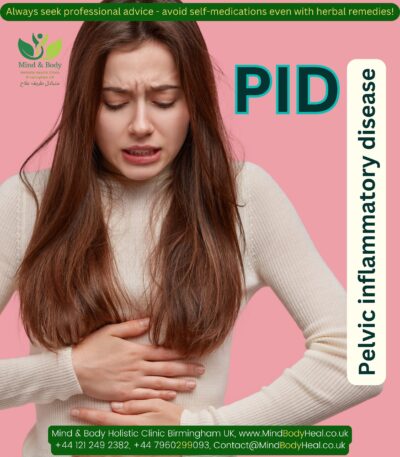
- Certain illnesses and conditions such as endometriosis, PID’s – pelvic inflammatory disease, uterine prolapse, retroverted uterus, fibroids, cystitis, IBS – irritable bowel syndrome, pelvic floor conditions, adenomyosis, and ovarian cysts etc.
- Scarring from hysterectomy – pelvic surgery or genital mutilation.
- Side effects of treatments for cancer, such as radiation and chemotherapy.
- Psychological issues. Anxiety, depression, concerns about physical appearance, fear of intimacy or relationship problems can contribute to a low level of arousal and resulting discomfort or pain.
- Psychological vaginismus (painful spasm of vagina)
- Fear of pregnancy
- Pelvic floor muscles tend to tighten in response to stress.
- History of sexual abuse or sexual violence may contribute to dyspareunia too.
DO’S & DONT’S
Educate yourself about sexual relationship as ignorance is one of the major causes.
Both the partners should reassure each other and give a lot of emotional support to one another
Reduce weight if obesity is one of the causes
Pain experienced during intercourse can be reduced by:
- Using water-based personal lubricants
- Engaging in longer foreplay to encourage secretion of the body’s natural lubricants
- Choosing comfortable sexual positions
- Practicing good genital hygiene and safe sex.
- Women with vaginismus may find Kegel exercises useful to strengthen the pelvic floor muscles.
FREE Shipping included – Usually dispatched within 1 – 2 working days!
Are you concerned about your health or managing a recurring or chronic condition?
Our website provides informed guidance and initial supportive care for individuals who are finding it difficult to access their doctors or who have not experienced desired improvement with conventional options.
We help individuals explore a range of natural and holistic healing approaches to encourage balance and long-term wellness that may complement your healing journey.
We offer a ready-to-use complementary remedies kit designed to ease discomfort and support well-being, with clear instructions for each item.
The kit includes a personalised selection of remedies based on your signs, symptoms, and likely causative factors.
It may combine homeopathic medicines, herbal or daily supplements, a tailored diet plan, lifestyle guidance, practical tips, and topical applications where needed. It’s suitable if you value the healing potential of natural, holistic remedies.
Complementary remedies work best alongside standard medical treatments and can usually be taken safely with your regular medications.
Our homeopathic remedies follow Dr. Hahnemann’s traditional dilution and succussion methods and are prepared by a qualified naturopathic practitioner, supported by research, clinical experience, and observed outcomes in similar cases. Treatment duration can range from a few weeks to several months, depending on severity and chronicity. Outcomes vary with individual factors and case complexity.
If you prefer lactose pills instead of sucrose globules, let us know. Please also provide the patient’s age so we can supply appropriately sized pills. You can simply send this via WhatsApp at 07960 299 093.
These remedies may contain trace amounts of natural plant, mineral, or animal substances, preserved in medical-grade alcohol. Inform us of any allergies or dietary restrictions before purchase.
You may contact us before starting or book a detailed consultation (in person or via teleconsultation) with one of our experienced naturopath for your detailed assessment or personalized guidance.
Natural remedies can affect the body and may not suit everyone. At the start of treatment, some patients—especially with mental health or skin issues—may experience a temporary increase in symptoms. This may represent medicinal aggravation, indicating the body is responding, though symptoms may not be connected and simply coincidental. If they persist, contact us for support.
Why some patients choose natural, complementary or holistic remedies:
• Symptomatic relief and improved well-being
• Gentle options with fewer side effects
• Whole-person focus, addressing physical, emotional, and lifestyle factors
• Root-cause and preventive emphasis
• Encouragement of active self-care
• Support alongside conventional treatment
• Personalised and accessible care
Precautions:
• Inform your healthcare provider about any complementary therapies
• Some herbs or supplements may interact with conventional medications
• Do not replace conventional treatment for serious, chronic, or terminal conditions
These complementary remedy kits are provided for your own discretion and personal responsibility. Use them mindfully and avoid self-medicating in sensitive situations.
If you are looking for a specific remedy / kit not listed on our site or a customized formulation, contact us—our range is extensive and can be tailored to your physical and mental symptoms and causative factors.
Disclaimer:
Natural remedies—including homeopathic remedies, herbal supplements, and aromatherapy products—are generally safe for most people, including children and older adults. Still, consult your GP or healthcare provider before use, especially if pregnant, breastfeeding, or managing chronic or serious conditions.
- Our remedies support general wellness and are not a substitute for medical advice.
- Review product details and make informed decisions before purchasing, particularly for ongoing or serious concerns.
- We provide general guidance only; detailed personalised consultations are not available through this platform.
- These remedies are intended for individuals able to follow instructions independently.
- Our support focuses on product use and general information; repeated or highly detailed personal queries may not receive individual responses.
- If you need frequent reassurance or highly tailored advice, please consult a qualified naturopath or healthcare provider before purchasing.
Due to strict UK regulations on the sale of medicinal products, we cannot give specific advice, without a face-to-face consultation.