Hepatitis B
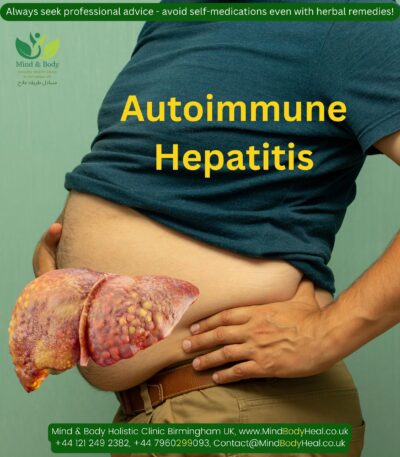
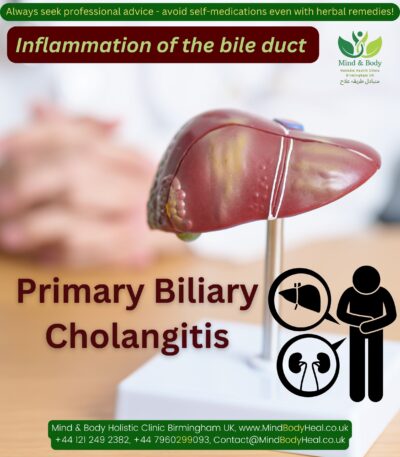
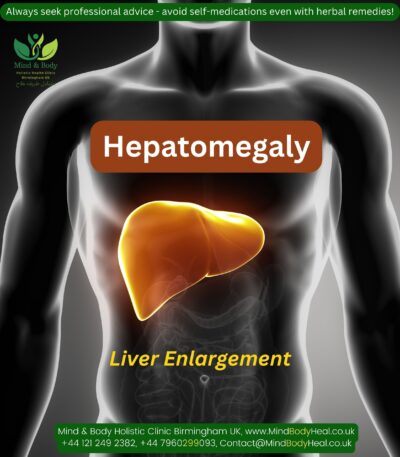
Liver is the largest solid meaty organ – weighs around 3 pounds, located on the upper right side of the belly.
The liver is a roughly triangular organ and has two large sections, called the right and the left lobes.
Liver performs over 500 essential functions such as;
- Produces most proteins needed by our bodies such bile, to digest fats.
- Helps fight infection by removing harmful pathogens.
- Helps blood circulation and filtration.
- Regulates blood clotting, glucose, cholesterol and hormones levels etc.
- Metabolism that is break down – nutrients from food to produce energy.
- Detoxification – Removes potentially toxic by-products of certain medications.
- Prevents shortage of nutrients by storing vitamins, amino acids and minerals etc.
The liver is a marvelously sophisticated chemical laboratory, capable of carrying out thousands of chemical transformations on which the body depends.
The liver produces important chemicals from scratch, modifies others to allow the body to use them better, and neutralizes an enormous range of toxins.
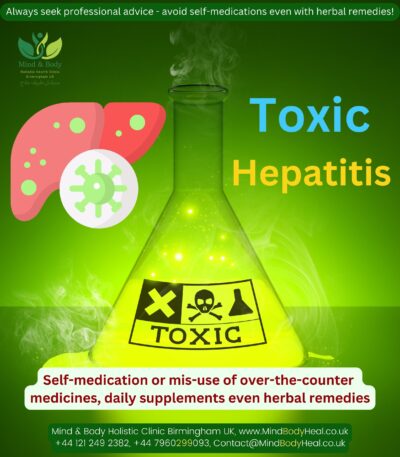
Alcohol is the most common chemical responsible for toxic damage to the liver, causing fatty liver, alcoholic hepatitis, and, potentially, cirrhosis of the liver.
Exposure to industrial chemicals may harm the liver. Many prescription medications may damage the liver as well, including cholesterol-lowering drugs in the statin family and high-dose niacin (also used to reduce cholesterol levels.) The over-the-counter drug acetaminophen (Tylenol) is highly toxic to the liver when taken to excess. Finally, numerous natural herbs and supplements contain chemicals that may cause or accelerate harm to the liver.
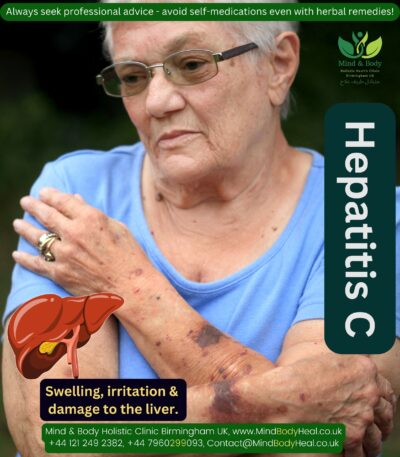
Chemicals aren’t the only source of harm to the liver. Viruses may infect it, causing viral hepatitis; hepatitis C, in particular, may become chronic and gradually destroy the liver. In addition, during pregnancy, the liver may become backed up with bile, a condition called cholestasis of pregnancy.
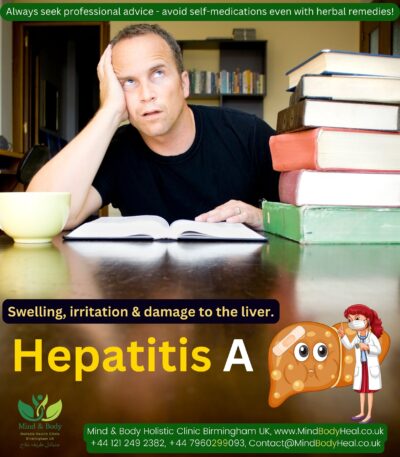
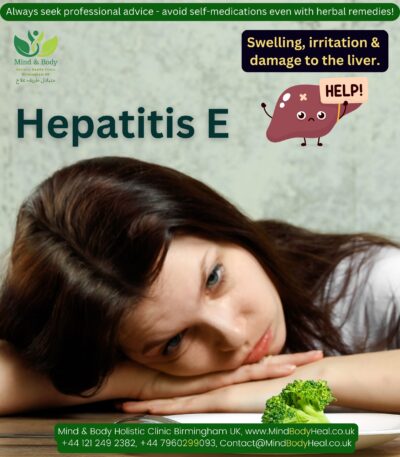
Hepatitis may indicate swelling, irritation and damage to the liver. It is the infection of the liver by hepatitis ‘B’ virus.
It is described as viraemia and there is hepatic inflammation continuing for more than 6 months after the virus infection.
It is a chronic form of hepatitis which normally presents with no symptoms and patients are usually diagnosed following blood donation or during routine blood screening.
Hepatitis B is a serious liver infection caused by the hepatitis B virus (HBV). For most people, hepatitis B is short term, also called acute. Acute hepatitis B lasts less than six months. But for others, the infection lasts more than six months and is called chronic. Chronic hepatitis B virus infection may last a lifetime and raises the risk of liver failure, liver cancer and serious scarring of the liver called cirrhosis.
Chronic hepatitis B may not be detected for decades until a person becomes very ill from liver disease.
Infants and children are more likely to develop a chronic, long-lasting hepatitis B virus infection.
A vaccine can prevent infection with the hepatitis B virus.
COMMON SYMPTOMS OF HEPATITIS B
Usually there are no symptoms, but some may experience:
- Discomfort or pain in the right upper part of the abdomen
- Dark urine.
- Fever
- Joint pain.
- Loss of appetite.
- Upset stomach and vomiting.
- Weakness and extreme tiredness.
- Jaundice, which is a yellowing of the whites of the eyes and the skin.
- Fatigue and general malaise
- Body ache
- Only in later stages patients may present with hepatic encephalopathy
POSSIBLE CAUSES & RISK FACTORS
- Sexual contact with someone who is infected.
- The virus can pass through blood, saliva, semen or vaginal fluids enter your body.
- Sharing of needles and syringes that are tainted with infected blood.
- Through razors, nail clippers and tooth brushes
- Accidental needlesticks – a concern for healthcare workers and anyone else who comes in contact with human blood.
- Pregnant person to newborn.
- A job that exposes you to human blood.
- Have hepatitis C or HIV.
- Receive dialysis treatment.
- Are or have been in prison.
- Taking medicine such as chemotherapy that can weaken the immune system.
- Travel to regions with high infection rates of this virus or disease.
- Blood or plasma transfusions
- Acupuncture needles
- During dental extraction or operations
- Tattooing & ears piercing
- Among male homosexuals due to anal intercourse
- Since the virus is also present in the saliva kissing may also transmit the infection
Prevention and additional tips for a healthy liver
- Avoid contact with other people’s blood and body fluids.
- Keep your food safe. Wash your hands thoroughly before eating or preparing foods.
- Use bottled water to drink, and brush your teeth regularly.
- Protect your skin. When using insecticides, paints and other toxic chemicals, wear gloves etc.
- Maintain a healthy weight. Obesity can cause non-alcoholic fatty liver diseases.
- Drink alcohol in moderation or completely avoid it.
- For tattooing or body piercings, be picky about cleanliness and safety.
- Don’t share needles to inject drugs.
- Always limit to your spouse as sexual partner.
- Take drugs wisely, only when needed and only in recommended doses.
- Insist your physician to use disposable syringe and needle if any kind of injections are to be taken or during blood collection in a pathology laboratory
- Avoid unsafe sex
- Avoid tattooing
- Avoid sharing razors and toothbrushes etc
- Avoid sharing of needles in addicts using injectable drugs
- Ask the professional to use sterilized instruments during ear piercing
FREE Shipping included – Usually dispatched within 1 – 2 working days!
Are you concerned about your health or managing a recurring or chronic condition?
Our website provides informed guidance and initial supportive care for individuals who are finding it difficult to access their doctors or who have not experienced desired improvement with conventional options.
We help individuals explore a range of natural and holistic healing approaches to encourage balance and long-term wellness that may complement your healing journey.
We offer a ready-to-use complementary remedies kit designed to ease discomfort and support well-being, with clear instructions for each item.
The kit includes a personalised selection of remedies based on your signs, symptoms, and likely causative factors.
It may combine homeopathic medicines, herbal or daily supplements, a tailored diet plan, lifestyle guidance, practical tips, and topical applications where needed. It’s suitable if you value the healing potential of natural, holistic remedies.
Complementary remedies work best alongside standard medical treatments and can usually be taken safely with your regular medications.
Our homeopathic remedies follow Dr. Hahnemann’s traditional dilution and succussion methods and are prepared by a qualified naturopathic practitioner, supported by research, clinical experience, and observed outcomes in similar cases. Treatment duration can range from a few weeks to several months, depending on severity and chronicity. Outcomes vary with individual factors and case complexity.
If you prefer lactose pills instead of sucrose globules, let us know. Please also provide the patient’s age so we can supply appropriately sized pills. You can simply send this via WhatsApp at 07960 299 093.
These remedies may contain trace amounts of natural plant, mineral, or animal substances, preserved in medical-grade alcohol. Inform us of any allergies or dietary restrictions before purchase.
You may contact us before starting or book a detailed consultation (in person or via teleconsultation) with one of our experienced naturopath for your detailed assessment or personalized guidance.
Natural remedies can affect the body and may not suit everyone. At the start of treatment, some patients—especially with mental health or skin issues—may experience a temporary increase in symptoms. This may represent medicinal aggravation, indicating the body is responding, though symptoms may not be connected and simply coincidental. If they persist, contact us for support.
Why some patients choose natural, complementary or holistic remedies:
• Symptomatic relief and improved well-being
• Gentle options with fewer side effects
• Whole-person focus, addressing physical, emotional, and lifestyle factors
• Root-cause and preventive emphasis
• Encouragement of active self-care
• Support alongside conventional treatment
• Personalised and accessible care
Precautions:
• Inform your healthcare provider about any complementary therapies
• Some herbs or supplements may interact with conventional medications
• Do not replace conventional treatment for serious, chronic, or terminal conditions
These complementary remedy kits are provided for your own discretion and personal responsibility. Use them mindfully and avoid self-medicating in sensitive situations.
If you are looking for a specific remedy / kit not listed on our site or a customized formulation, contact us—our range is extensive and can be tailored to your physical and mental symptoms and causative factors.
Disclaimer:
Natural remedies—including homeopathic remedies, herbal supplements, and aromatherapy products—are generally safe for most people, including children and older adults. Still, consult your GP or healthcare provider before use, especially if pregnant, breastfeeding, or managing chronic or serious conditions.
- Our remedies support general wellness and are not a substitute for medical advice.
- Review product details and make informed decisions before purchasing, particularly for ongoing or serious concerns.
- We provide general guidance only; detailed personalised consultations are not available through this platform.
- These remedies are intended for individuals able to follow instructions independently.
- Our support focuses on product use and general information; repeated or highly detailed personal queries may not receive individual responses.
- If you need frequent reassurance or highly tailored advice, please consult a qualified naturopath or healthcare provider before purchasing.
Due to strict UK regulations on the sale of medicinal products, we cannot give specific advice, without a face-to-face consultation.