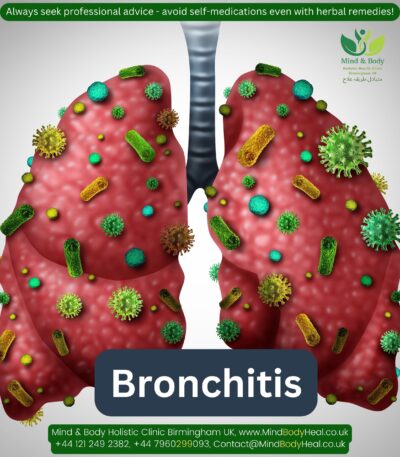
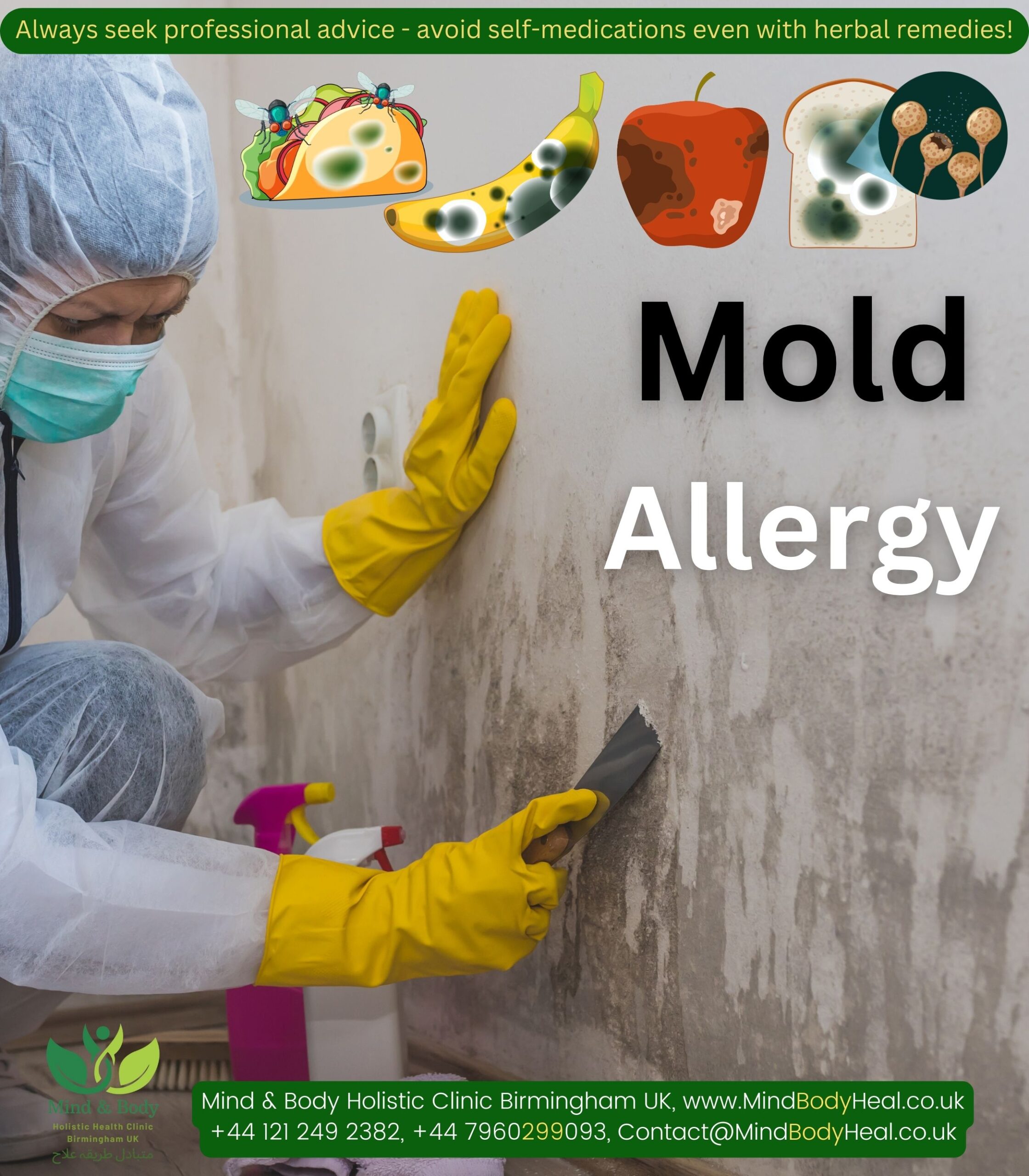
Mold is a microscopic fungus made of many cells and can be threadlike or filamentous and look like skinny mushrooms.
They grow in moist places, such as soil, plants, dead or decaying matter, building materials, furnishings, and foods and are transported by air, water, or insects.
Common Symptoms of mold allergy
They mostly cause signs and symptoms of upper respiratory tract or airway symptoms and may include: the symptoms vary from person to person and could mild to severe.
- Asthma – restricted breathing
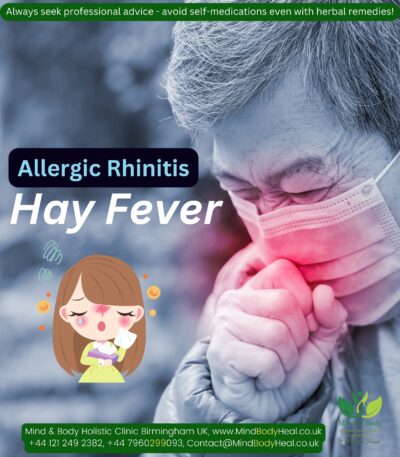
- Allergic rhinitis
- Coughing
- Sneezing
- Wheezing
- Chest tightness
- Runny or stuffy nose
- Cough and postnasal drip
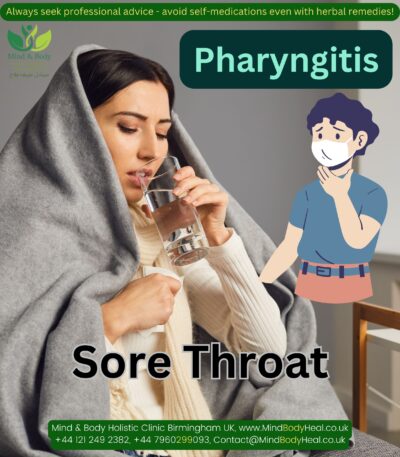
- Itchy red eyes, nose and throat
- Watery eyes
- Dry, scaly skin
Allergy is one of the most common health problems.
- There are 2 basic types of allergies that are inhalant and food allergies.
- Children are more susceptible.
- Studies show that breast-feeding reduces the frequency and severity of allergies in children as compared to bottle-fed babies.
- A food allergy is an abnormal immune reaction caused by the ingestion of certain foods mostly proteins or food additives.
Food intolerance or sensitivities are delayed type allergies, that is merely difficulty digesting certain foods and do not actually involve the immune system!
A list of some common food offenders.
Most dairy products including ice cream, chocolate, cheese yoghurt and specially cow’s milk protein intolerance is thought to be the most common childhood allergy as they tend to produce mucus and excess mucus indicates an allergic response, that distract the immune system.
Certain other foods increase inflammation within the body, weaken the immune system and lead to digestive issues, such as:
- Eggs
- Nuts and Peanuts in particular
- Fish specially Shellfish
- Packaged foods
- Hydrogenated oils
- Corns
- Artificial flavourings, colouring or colourings
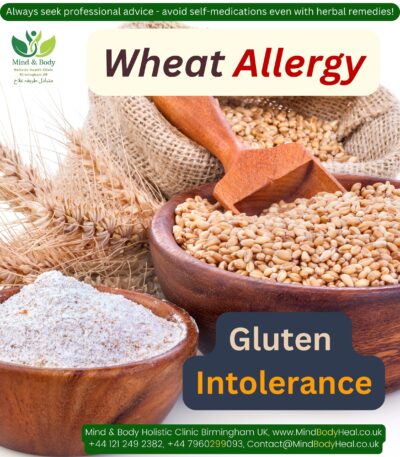
- Grains – as they contain gluten i.e. wheat, rye, oats and barley etc.
- Soy products
- Citrus fruits – oranges, lemons, grapefruits
- Yeast – all forms of brewer’s yeast, yeast-based spreads and fermented foods
- Tomatoes, capsicums, onions, garlic and potatoes etc.
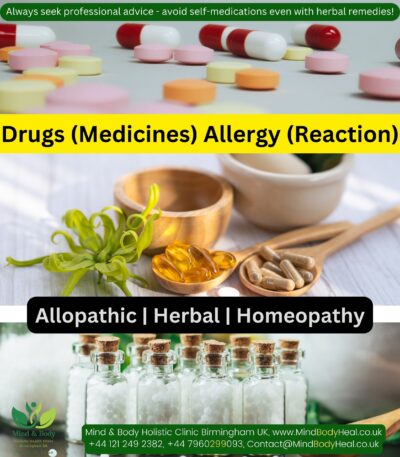
Various drugs or medicines allergies:
All drugs do not give any reactions, but some may react to certain people at various levels as per their intensity.
The most common Drugs are:
- Antibiotics, such as penicillin
- Aspirin and non-steroidal anti-inflammatory medications, such as ibuprofen
- Anticonvulsants
- Monoclonal antibody therapy and
- Chemotherapy
Most Common signs & symptoms of food allergy may include:
- Digestive or Gastrointestinal problems such as constipation, diarrhoea, gas, cramping, bloating and or vomiting.
- Feeling of sickness and stomach cramps
- Tingling or itchy sensation in the mouth
- Swelling of the tongue, lips, eyes, and or face
- Wheezing and breathing difficulty
- Loss of consciousness, irritability & headache
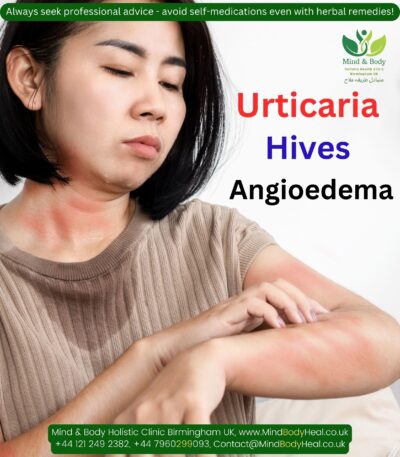
- Eczematous or Hives like skin rashes
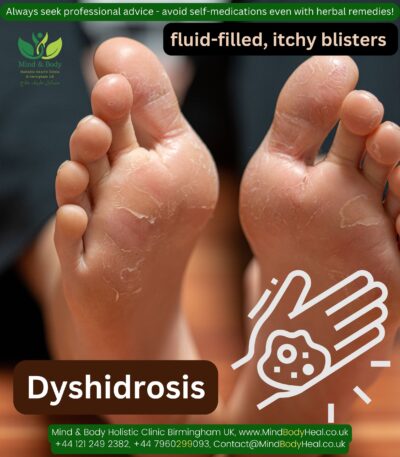
- Dry, cracked, or red skin
- Itchy eyes and skin
- Anxiety
- Fatigue and
- Thrush etc.
Food allergy vs food intolerance in nutshell:
- Allergy symptoms occur rapidly after contact usually within 2 hours while Food sensitivity or intolerance symptoms can occur up to 48 hours after ingestion.
- Allergy symptoms can be serious and even life-threatening in rare cases, Whilst food intolerance may be uncomfortable or annoying, but it does not have the potential to be serious.
- An allergy can cause an immune system reaction that affects numerous organs in the body, But Food intolerance is generally less serious and often limited to digestive problems.
- If you suffer from an intolerance, basically you can’t break down certain foods, If you have a food intolerance, you may be able to eat small amounts of the offending foods without trouble and prevent certain reactions.
Most Common Signs & Symptoms of Chronic food intolerance:
- Fatigue
- Fogginess
- Asthma
- Autism
- Rheumatoid arthritis
- Vaginal yeast infection
- Canker sores
- Ear Infections
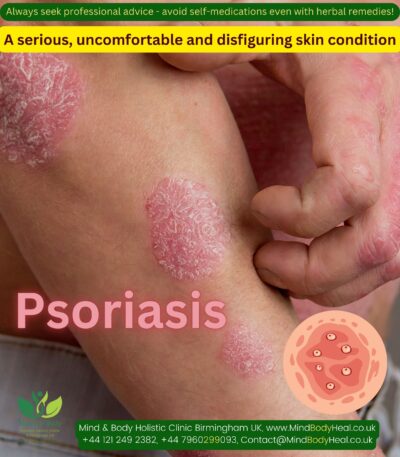
- Eczema / Psoriasis
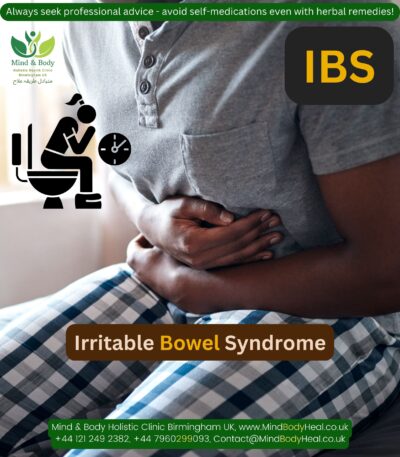
- IBS – Irritable Bowel Syndrome
- Migraine / Headaches
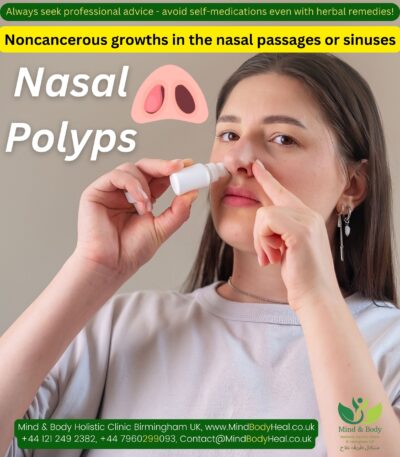
- Chronic Sinus Infections
- Ulcerative Colitis
- Crohn’s / Celiac Disease.
- Attention Deficit Disorder – ADD ADHD etc.
Common causes of food intolerance include:
- Absence of an enzyme needed to fully digest a food. Lactose intolerance is a common example.
- Irritable bowel syndrome.
- Sensitivity to food additives.
- Recurring stress or psychological factors. Sometimes the mere thought of a food may make you sick.
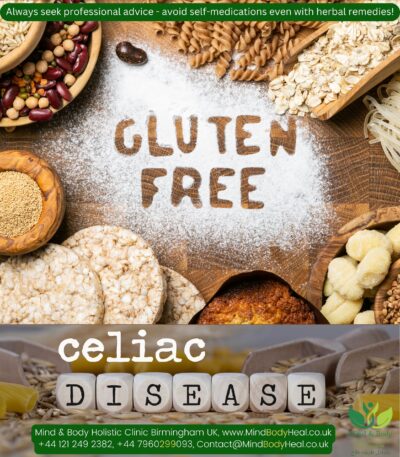
- Celiac disease this chronic digestive condition is triggered by eating gluten, a protein found in wheat and other grains.
Prevention and helpful tips to avoid further deterioration.
Foods that we crave or eat on daily bases can be the main offenders for allergies. When a substance is suspected to be the primary culprit of an allergic reaction – we must need to identify that and avoid eating.
- Avoid sugar, sodas, sweetened juices etc., as they damage the immune system.
- Avoid alcohol, coffee, deep-fried, fatty, cold or raw foods.
- Avoid stress, negative emotions and exhaustion, as they weaken the immune system too.
- Get plenty of sleep and relaxation.
- Sunbathing for 20 to 30 minutes a day can be helpful to stimulate skin immunity and inhibit bacterial activity.
- Drink plenty of water to stay hydrated. This will help to thin secretions, making them easier to clear.
- Fasting is one of the oldest methods to eliminate all possible food allergens and allowing the body a period of cleansing.
- During fasting only use distilled or spring water, vegetables and fruit juices.
FREE Shipping included – Usually dispatched within 1 – 2 working days!
Are you concerned about your health or managing a recurring or chronic condition?
Our website provides informed guidance and initial supportive care for individuals who are finding it difficult to access their doctors or who have not experienced desired improvement with conventional options.
We help individuals explore a range of natural and holistic healing approaches to encourage balance and long-term wellness that may complement your healing journey.
We offer a ready-to-use complementary remedies kit designed to ease discomfort and support well-being, with clear instructions for each item.
The kit includes a personalised selection of remedies based on your signs, symptoms, and likely causative factors.
It may combine homeopathic medicines, herbal or daily supplements, a tailored diet plan, lifestyle guidance, practical tips, and topical applications where needed. It’s suitable if you value the healing potential of natural, holistic remedies.
Complementary remedies work best alongside standard medical treatments and can usually be taken safely with your regular medications.
Our homeopathic remedies follow Dr. Hahnemann’s traditional dilution and succussion methods and are prepared by a qualified naturopathic practitioner, supported by research, clinical experience, and observed outcomes in similar cases. Treatment duration can range from a few weeks to several months, depending on severity and chronicity. Outcomes vary with individual factors and case complexity.
If you prefer lactose pills instead of sucrose globules, let us know. Please also provide the patient’s age so we can supply appropriately sized pills. You can simply send this via WhatsApp at 07960 299 093.
These remedies may contain trace amounts of natural plant, mineral, or animal substances, preserved in medical-grade alcohol. Inform us of any allergies or dietary restrictions before purchase.
You may contact us before starting or book a detailed consultation (in person or via teleconsultation) with one of our experienced naturopath for your detailed assessment or personalized guidance.
Natural remedies can affect the body and may not suit everyone. At the start of treatment, some patients—especially with mental health or skin issues—may experience a temporary increase in symptoms. This may represent medicinal aggravation, indicating the body is responding, though symptoms may not be connected and simply coincidental. If they persist, contact us for support.
Why some patients choose natural, complementary or holistic remedies:
• Symptomatic relief and improved well-being
• Gentle options with fewer side effects
• Whole-person focus, addressing physical, emotional, and lifestyle factors
• Root-cause and preventive emphasis
• Encouragement of active self-care
• Support alongside conventional treatment
• Personalised and accessible care
Precautions:
• Inform your healthcare provider about any complementary therapies
• Some herbs or supplements may interact with conventional medications
• Do not replace conventional treatment for serious, chronic, or terminal conditions
These complementary remedy kits are provided for your own discretion and personal responsibility. Use them mindfully and avoid self-medicating in sensitive situations.
If you are looking for a specific remedy / kit not listed on our site or a customized formulation, contact us—our range is extensive and can be tailored to your physical and mental symptoms and causative factors.
Disclaimer:
Natural remedies—including homeopathic remedies, herbal supplements, and aromatherapy products—are generally safe for most people, including children and older adults. Still, consult your GP or healthcare provider before use, especially if pregnant, breastfeeding, or managing chronic or serious conditions.
- Our remedies support general wellness and are not a substitute for medical advice.
- Review product details and make informed decisions before purchasing, particularly for ongoing or serious concerns.
- We provide general guidance only; detailed personalised consultations are not available through this platform.
- These remedies are intended for individuals able to follow instructions independently.
- Our support focuses on product use and general information; repeated or highly detailed personal queries may not receive individual responses.
- If you need frequent reassurance or highly tailored advice, please consult a qualified naturopath or healthcare provider before purchasing.
Due to strict UK regulations on the sale of medicinal products, we cannot give specific advice, without a face-to-face consultation.