
What could cause a chest pain?
Chest pain is pain or discomfort in the area between the neck and belly. Chest pain may be sharp or dull. It might come and go, or you might always feel the pain.
Although chest pain can sometimes be a symptom of a heart problem, there are many other possible causes.
Chest pain is the second biggest cause of emergency room and affects 20 to 40 percent of the general population.
Possible Symptoms – Chest pain symptoms depend on the cause.
Chest pain can cause many different sensations depending on what’s triggering the symptom.
Chest discomfort related to a heart attack, or another heart problem may be described by or associated with one or more of the following:
- Pressure, fullness, burning or tightness in your chest
- Crushing or searing pain that spreads to your back, neck, jaw, teeth, shoulders, upper belly and one or both arms
- Pain that lasts more than a few minutes, gets worse with activity, goes away and comes back, or varies in intensity
- Shortness of breath
- Cold sweats
- Dizziness or weakness
- Nausea or vomiting
- Squeezing sensation in the chest.
- Fatigue
- Heartburn or indigestion.
- Light-headedness.
- Fast heartbeat.
Chest pain that is less likely due to a heart problem is more often associated with some of these symptoms:
- A sour taste or a sensation of food re-entering your mouth
- Trouble swallowing
- Pain that gets better or worse when you change your body position
- Pain that gets worse when you breathe deeply or cough
- Tenderness when you push on your chest
- Pain that continues for many hours or days.
- The classic symptoms of heartburn — a painful, burning sensation behind the breastbone.
- A panic attack can rapidly increase a person’s heartbeat and cause chest pains.
There are many possible causes of chest pains but hhe most life-threatening causes involve the heart or lungs.
Few others are listed below.
Muscle strain, panic attack, ribs injury, peptic ulcer, hernia in the stomach, lungs disorders like asthma or COPD or heart problems like pericarditis, heart enlargement, angina etc.,
- Muscle strain – Inflammation of the muscles and tendons around the ribs can result in persistent chest pain. If the pain becomes worse with activity, then it may be a symptom of a muscle strain.
- Injured ribs – Injuries to the ribs, such as bruises, breaks, and fractures, can cause chest pain. A person may have heard a crack or felt extreme pain at the time of injury if they have a broken rib.
- Peptic ulcers – Peptic ulcers, which are sores in the stomach lining, do not usually cause intense pain. However, they can result in a recurring discomfort in the chest. Taking antacids, which are available to purchase online and in pharmacies, can usually relieve pain caused by peptic ulcers.
- Gastroesophageal reflux disease (GERD) – refers to when the contents of the stomach move back up into the throat. It can cause a burning feeling in the chest and a sour taste in the mouth.
- Asthma – Asthma is a common breathing disorder characterized by inflammation in the airways, which can causeTrusted Source chest pain. Other symptoms include shortness of breath, coughing, and wheezing.
- Collapsed lung – When air builds up in the space between the lungs and ribs, a lung can collapse, causing sudden chest pain when breathing. If someone has a collapsed lung, they will also experience shortness of breath, tiredness, and a rapid heart rate.
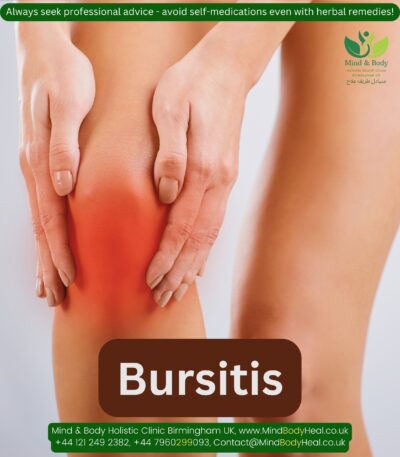
- Costochondritis – Costochondritis is inflammation of the cartilage of the rib cage. This condition can cause chest pain. Costochondritis pain may get worse when sitting or lying in certain positions, as well as when a person does any physical activity.
- Oesophageal contraction disorders – Esophageal contraction disorders are spasms or contractions in the food pipe. These disorders can also cause chest pain.
- Oesophageal hypersensitivity – Changes in pressure in the food pipe or the presence of acid can sometimes cause severe pain. At present, experts are not sureTrusted Source what causes this sensitivity.
- Esophageal rupture – If the food pipe bursts, this can result in sudden, intense chest pain. An esophageal rupture may occur after intense vomiting or an operation involving the esophagus.
- Hiatal hernia – A hiatal hernia is when part of the stomach pushes up into the chest. This type of hernia is very common and may not cause any symptoms. However, if the top of the stomach pushes into the lower part of the chest after eating, it can cause symptoms of GERD, such as heartburn and chest pain.
- Hypertrophic cardiomyopathy – Hypertrophic cardiomyopathy is when the heart grows too thick due to genetic factorsTrusted Source. The thickening of the heart prevents blood from flowing from the heart properly, causing the muscle to work very hard to pump blood. Symptoms of hypertrophic cardiomyopathy include chest pain, shortness of breath, dizziness, lightheadedness, and fainting.
- Tuberculosis – Tuberculosis bacteria growing in the lungs can cause symptoms such as a bad cough, coughing up blood or sputum, or pain in the chest.
- Mitral valve prolapse – Chest pain, palpitations, and dizziness are all symptoms of mitral valve prolapse, which is when a valve in the heart is unable to close fully. In mild cases, this condition may have no obvious symptoms.
- Panic attack – A panic attack may cause chest pain in addition to nausea, dizziness, sweating, rapid heartbeat, and fear.
- Pericarditis – Pericarditis is inflammation of the sac around the heart. It can result in sharp chest pain that is made worse by intakes of breath or lying down.
- Pleurisy – Pleurisy is inflammation of the membrane that covers the lungs. It can result in sharp chest pain when breathing deeply.
- Pneumonia – Lung infections such as pneumonia can cause sharp or stabbing chest pain. Other symptoms of pneumonia include fever, chills, and coughing up phlegm.
- Pulmonary embolism – A pulmonary embolism is when a blood clot gets trapped in an artery feeding blood to the lungs. It can cause chest pain, difficulty breathing, and coughing up blood. Pulmonary embolisms can be life-threatening if not treated immediately. A person should contact a doctor if chest pain comes on suddenly.
- Heart attack – Chest pain is one of the five main symptoms of a heart attack. The others are:
- Pain in the jaw, neck or back
- Light-headedness or weakness
- Pain in the arms or shoulders
- Shortness of breath
- Women experiencing a heart attack may also experience sudden tiredness, nausea, or vomiting.
If someone thinks that they are having a heart attack, they should seek emergency medical help. The quicker a person can get to ER, the quicker treatment can begin. Getting prompt treatment increases a person’s chances of survival and potentially reduces the severity of the damage to the heart.
- Myocarditis – Myocarditis is when the heart becomes inflamed, resulting in symptoms that are similar to a heart attack, such as:
- Chest pain
- Fever
- Trouble breathing
- Fatigue
- Racing heartbeat
- Angina – Angina feels like a squeezing pain or pressure on the chest. It occurs when not enough blood is getting to the heart. A person may also feel pain in the shoulders, back, neck, arms, or jaw. Angina is a symptom of coronary artery disease.
- Aortic dissection – Aortic dissection is a separation of the inner layers of the aorta, the main artery that leads from the heart. When this happens, a buildup of blood can cause the artery to burst. Aortic dissection is life-threatening, so requires immediate medical help.
- Coronary artery dissection – Sudden intense pain that appears to “tear” across the chest, neck, back, or abdomen can be a symptom of coronary artery dissection. This rare but seriousTrusted Source condition occurs when the coronary artery tears.
- Pancreatitis – One rare symptom of pancreatitis is pain in the lower chest that is made worse by lying down flat.
- Pulmonary hypertension – Pulmonary hypertension is high blood pressure in the arteries that carry blood to the lungs. In some cases, this may result in chest pain.
- Dysphagia or achalasia – Swallowing disorders. Diseases that affect the esophagus can make swallowing difficult and even painful. This may lead to chest pain.
- Gallbladder disease such as gallstones or inflammation of the gallbladder can cause stomach pain that spreads to the chest.
- Long-term pain syndromes. Conditions such as fibromyalgia, which can make muscles sore, may cause long-term pain that affects the chest area.
- Shingles. This is an infection caused by the varicella-zoster virus — the same virus that causes chickenpox. It can cause very bad pain and a band of blisters from the back around to the chest area.
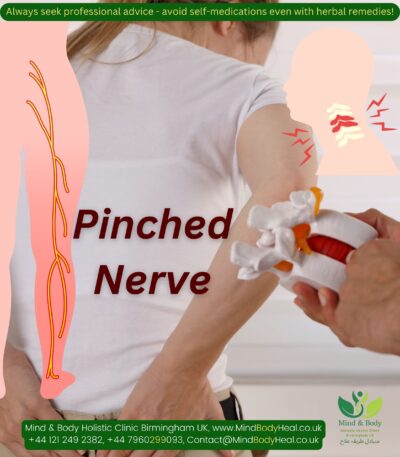
- Nerve pain. Some people with pinched nerves in the middle back may feel chest pain.
FREE Shipping included – Usually dispatched within 1 – 2 working days!
Are you concerned about your health or managing a recurring or chronic condition?
Our website provides informed guidance and initial supportive care for individuals who are finding it difficult to access their doctors or who have not experienced desired improvement with conventional options.
We help individuals explore a range of natural and holistic healing approaches to encourage balance and long-term wellness that may complement your healing journey.
We offer a ready-to-use complementary remedies kit designed to ease discomfort and support well-being, with clear instructions for each item.
The kit includes a personalised selection of remedies based on your signs, symptoms, and likely causative factors.
It may combine homeopathic medicines, herbal or daily supplements, a tailored diet plan, lifestyle guidance, practical tips, and topical applications where needed. It’s suitable if you value the healing potential of natural, holistic remedies.
Complementary remedies work best alongside standard medical treatments and can usually be taken safely with your regular medications.
Our homeopathic remedies follow Dr. Hahnemann’s traditional dilution and succussion methods and are prepared by a qualified naturopathic practitioner, supported by research, clinical experience, and observed outcomes in similar cases. Treatment duration can range from a few weeks to several months, depending on severity and chronicity. Outcomes vary with individual factors and case complexity.
If you prefer lactose pills instead of sucrose globules, let us know. Please also provide the patient’s age so we can supply appropriately sized pills. You can simply send this via WhatsApp at 07960 299 093.
These remedies may contain trace amounts of natural plant, mineral, or animal substances, preserved in medical-grade alcohol. Inform us of any allergies or dietary restrictions before purchase.
You may contact us before starting or book a detailed consultation (in person or via teleconsultation) with one of our experienced naturopath for your detailed assessment or personalized guidance.
Natural remedies can affect the body and may not suit everyone. At the start of treatment, some patients—especially with mental health or skin issues—may experience a temporary increase in symptoms. This may represent medicinal aggravation, indicating the body is responding, though symptoms may not be connected and simply coincidental. If they persist, contact us for support.
Why some patients choose natural, complementary or holistic remedies:
• Symptomatic relief and improved well-being
• Gentle options with fewer side effects
• Whole-person focus, addressing physical, emotional, and lifestyle factors
• Root-cause and preventive emphasis
• Encouragement of active self-care
• Support alongside conventional treatment
• Personalised and accessible care
Precautions:
• Inform your healthcare provider about any complementary therapies
• Some herbs or supplements may interact with conventional medications
• Do not replace conventional treatment for serious, chronic, or terminal conditions
These complementary remedy kits are provided for your own discretion and personal responsibility. Use them mindfully and avoid self-medicating in sensitive situations.
If you are looking for a specific remedy / kit not listed on our site or a customized formulation, contact us—our range is extensive and can be tailored to your physical and mental symptoms and causative factors.
Disclaimer:
Natural remedies—including homeopathic remedies, herbal supplements, and aromatherapy products—are generally safe for most people, including children and older adults. Still, consult your GP or healthcare provider before use, especially if pregnant, breastfeeding, or managing chronic or serious conditions.
- Our remedies support general wellness and are not a substitute for medical advice.
- Review product details and make informed decisions before purchasing, particularly for ongoing or serious concerns.
- We provide general guidance only; detailed personalised consultations are not available through this platform.
- These remedies are intended for individuals able to follow instructions independently.
- Our support focuses on product use and general information; repeated or highly detailed personal queries may not receive individual responses.
- If you need frequent reassurance or highly tailored advice, please consult a qualified naturopath or healthcare provider before purchasing.
Due to strict UK regulations on the sale of medicinal products, we cannot give specific advice, without a face-to-face consultation.