HIGH BLOOD CHOLESTEROL, hyperlipidemia, or hypercholesterolemia.
Cholesterol is a waxy (fatty) substance found naturally in the blood.
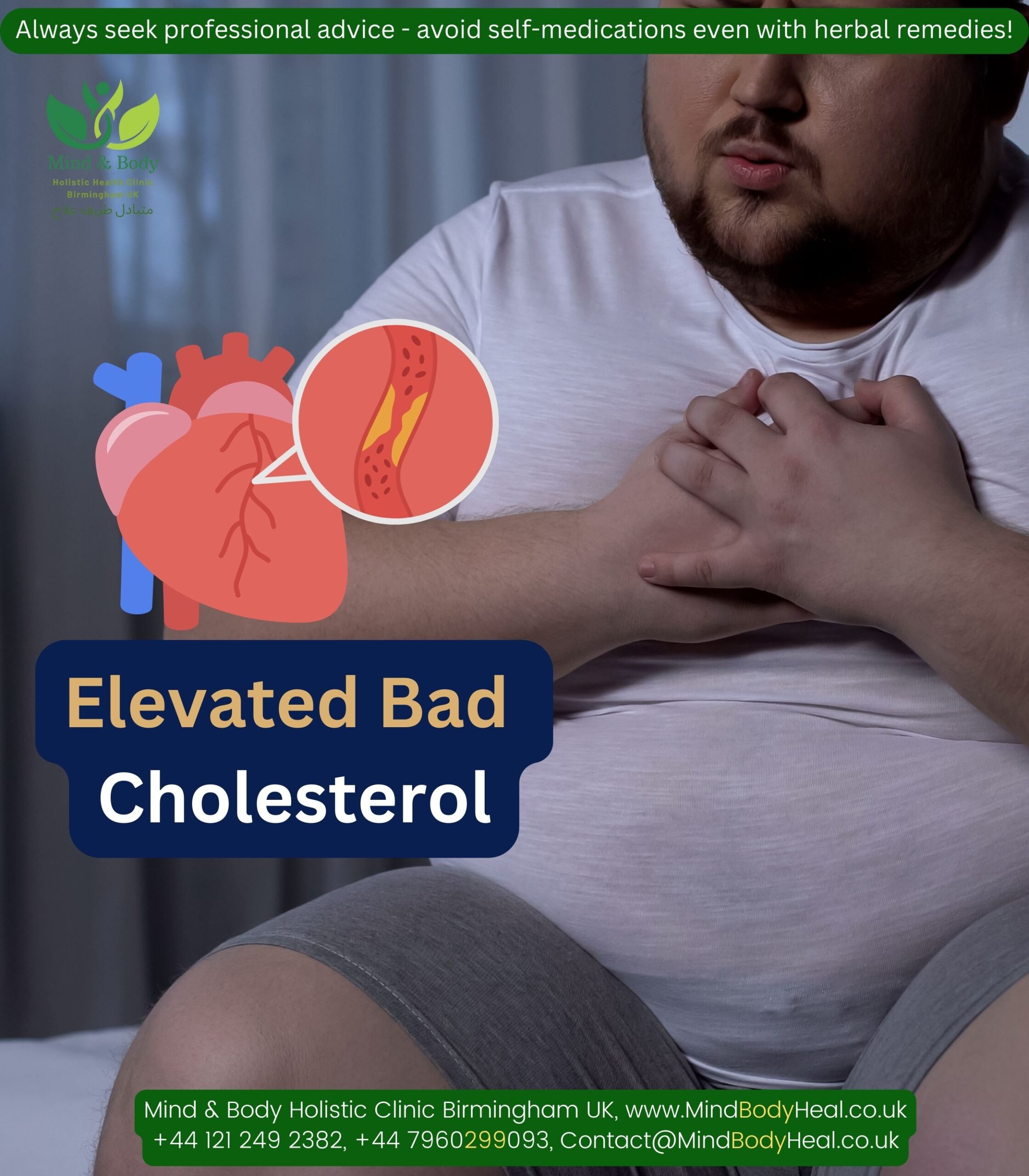
Our body requires good cholesterol to build healthy cells, but high levels of bad cholesterol can increase risks of heart & vessels related diseases.
Normally, the liver makes all the cholesterol the body needs. Cholesterol also enters your body from food we eat, such as animal-based foods like milk, eggs, and meat etc.
Some key functions of cholesterol.
- Helps our body build new cells.
- Insulate nerves.
- Convert sunshine to vitamin D.
- Produce hormones.
High Blood Cholesterol, hyperlipidemia or hypercholesterolemia is a condition in which raised levels of cholesterol are present in the blood.
Elevated cholesterol levels can develop fatty deposits in the blood vessels. When these deposits grow, make it difficult for enough blood to flow through your arteries. Sometimes, those deposits can break suddenly and form a clot that causes a heart attack or stroke.
It is not a disease but a metabolic dysfunction, which means that it can contribute to many other serious diseases like;
- Affecting heart, cardiovascular system
- Angina
- Heart Attach
- Stroke
- Atherosclerosis (hardening of the arteries).
There are two types of cholesterol:
High density lipoprotein (HDL), the good cholesterol that protects against heart disease, works to clear cholesterol from the blood, and
Low density lipoprotein (LDL) the bad cholesterol that contributes to plaque build-up in the arteries.
Healthy levels for different types of cholesterol
Total cholesterol 5 or below
HDL (good cholesterol) 1 or above
LDL (bad cholesterol) 3 or below
Non-HDL (bad cholesterol) 4 or below
Triglycerides 2.3 or below
SIGN AND SYMPTOMS
- Increased blood pressure.
- Angina, chest pain.
- Nausea
- Extreme fatigue.
- Shortness of breath.
- Pain in the neck, jaw, upper abdomen, or back.
- Numbness or coldness in your extremities.
- Xanthomas- eruptive, palmer or plantar, tendon, pseudo xanthomas.
- Lipemia (presence of abnormally large amount of fat in the blood) retinalis.
- Acute inflammation of the pancreas.
Fat is an essential substance in our body; it only becomes dangerous when it is present in excess amounts or in the wrong place.
Too much LDL cholesterol in our body is a risk factor for heart diseases. Cholesterol slowly clogs up the arteries and its impact can be devastating over time. When there is too much cholesterol in your blood, it builds up in the walls of our arteries, causing a process called atherosclerosis, a form of heart disease. The arteries become narrowed and blood flow to the heart muscle is slowed down or blocked. The blood carries oxygen to the heart, and if not enough blood and oxygen reach our heart, we may suffer chest pain. If the blood supply to a portion of the heart is completely cut off by a blockage, the result is a heart attack.
COMMON CAUSES of HIGH CHOLESTEROL
- Inherited, as an autosomal dominant trait called familial
- Family history of hyperlipidemia or xanthomas indicates a genetic cause.
- Age – men and women below age 50.
- Diet rich in fatty food e.g., cheese, butter, oil etc.
- Lifestyle, physical inactivity.
- Emotional stress.
- Being overweight
- Smoking
- Alcohol intake.
- Disorders to which hypercholesterolemia is secondary.
Certain medical conditions that can cause unhealthy cholesterol levels include:
- Chronic kidney disease – nephrotic syndrome
- Uncontrolled Diabetes – insulin deficiency
- HIV/AIDS
- Hypothyroidism
- Lupus
- Uraemia
- Obstructive liver disease
- Dysproteinemia [multiple myeloma, lupus erythematosus]
Drugs induced – cholesterol levels can also be worsened by some types of medications you may be taking for other health problems, such as:
- Use of oral contraceptives
- Antihypertensive – for high blood pressure
- Glucocorticoids – that reduce inflammation in the bod
- Acne
- Cancer
- HIV/AIDS
- Irregular heart rhythms
- Organ transplants
DIETARY MANAGEMENT
If you want to lower cholesterol, diet and emotions are the key factors.
The best way to keep on top of the fats in your diet is to become a label reader. Look for foods that are low in total fats and well as in saturated and trans fats.
Try to eat more:
- Oily fish, like mackerel and salmon
- Brown rice, bread and pasta
- Fruits and vegetables – 7 servings or more each day
- Eat whole grain foods rich in soluble fiber – oats, psyllium and barley.
- Include 2 Omega 3 rich fish meals per week – salmon, trout, sardines.
- Include 2 bean-based meals per week – kidney beans, chickpeas, lentils
- Eat seeds and nuts such as almonds and walnuts – small portions 5 times a week.
- Improve the quantity and quality of fats you eat.
- Saturated fats should be replaced by unsaturated fats, which increase the level of high-density lipoproteins (HDLs) or “good” cholesterol. HDLs carry cholesterol away from cells to the liver, where it can be broken down and processed as waste.
- Foods that are high in unsaturated fats include avocados, nuts, seeds, oily fish, sunflower oil, rapeseed oil and olive oil.
- Oils are best for added fat – use small amounts, avoid frying.
- Fiber is found in plant based foods. Vegetables, fruit, whole grains, nuts, seeds, beans, peas and lentils are all great fibre sources. Functional or “soluble” fibre helps to reduce cholesterol by binding with cholesterol in your stomach and bowel.
- Eat more barley, oatmeal, sunflower seeds, almonds, soy, tofu, chickpeas, black beans, kidney beans, lentils, Brussels sprouts, carrots, apples, bananas, pears, oranges, grapefruit, prunes, blackberries.
- Select dairy products that are skim or low-fat.
- Eat wholesome foods containing no preservatives, additives, pesticides.
- Eat smaller meals more frequently.
- When cooking, substitute the lower-fat alternative (low-fat sour cream or low-fat cream cheese) whenever possible.
- Various spices, including cinnamon, turmeric, fennel, oregano, black pepper, basil, and tarragon, have active ingredients beneficial for lowering cholesterol.
- Eating 3 apples a day for 3 months can lower your cholesterol by at least 20 points.
- Eat homemade orange marmalade, including the rind, to lower LDL cholesterol.
- Drinking 1 cup of green or black tea daily may lower LDL cholesterol and triglycerides.
- Olive and coconut oils – Helps raise HDL cholesterol.
- Garlic (Add 1 – 2 cloves per day in your diet – approx. 500mg) and onions – These two cholesterol reducing foods help lower LDL.
- Herbs – Add a variety of spices such as basil, rosemary, oregano and turmeric to your food which contain antioxidants that are cardio-protective and help lower cholesterol naturally.
- Soy Protein – Soy protein appears capable of modestly lowering total cholesterol, LDL (“bad”) cholesterol, and triglycerides.
- Cinnamon taken at a dose of 1-6 grams daily, improved triglyceride, LDL cholesterol, and total cholesterol, without worsening HDL cholesterol in people with type 2 diabetes.
Try to eat less:
- Limit your consumption of high-fat foods, such as processed foods, fried foods, sweets, and desserts.
- Meat pies, sausages and fatty meat
- A diet rich in saturated fat increases the LDL level. Saturated fats are found in sausages, butter, meat pies, ghee or clarified butter, lard, cream, cheese, cakes, and coconut or palm oil.
- Cream and hard cheese, like cheddar
- Cakes and biscuits
- Food that contains coconut oil or palm oil
- If your triglycerides are high, limit sugars and alcohol.
Exercise more
Be active – move your body 30 minutes each day. Aim to do at least 150 minutes (2.5 hours) of exercise a week. Some good things to try when starting out include:
- Walking – try to walk fast enough so your heart starts beating faster
- Swimming
- Cycling
- If you are overweight, work to reduce your weight by 10%
SUGGESTED DIET FOR HIGH CHOLESTEROL
Here are more tips to help you reduce the total amount of fat in your diet and make sure the fats you consume are the healthy ones:
White willow bark, which aspirin is derived from, helps prevent abnormal clumping and clotting of blood platelets.
Apple cider vinegar benefits start with the fact that it lowers your cholesterol. According to a study published in the British Journal of Clinical Nutrition, researchers found that if you consume just one tablespoon of apple cider vinegar in the morning.
Orange Juice drinking two to three cups of fresh orange juice daily can be a great help in reducing blood cholesterol levels naturally because it is rich in vitamin C, folate, and flavonoids.
Enjoying a bowl of oatmeal is an easy yet effective way to reduce your cholesterol levels. It is full of soluble fiber and reduces the absorption of cholesterol and lowers bad cholesterol levels.
Fenugreek (fresh or seeds) is a resourceful ingredient and a fantastic alternative to help manage high blood sugar and cholesterol. Best of all, it appears to be free of nasty side effects.
Nuts walnuts, almonds, peanuts, macadamia nuts, hazelnuts, pistachios, pecans, and other nuts and seeds are useful in controlling high cholesterol because they are rich in plant sterols and fiber. Walnuts, in particular, have been found to help lower total cholesterol and triglyceride levels.
Carob taking carob pulp for up to 6 weeks reduces total cholesterol and low-density lipoprotein (LDL or “bad”) cholesterol in people with moderately high cholesterol.
Artichoke extract seems to modestly reduce total and low-density lipoprotein (LDL or “bad”) cholesterol, and the LDL/high density lipoprotein (HDL or “good”) ratio after 6 to 12 weeks of treatment. Pprimarily used to stimulate gallbladder function, may be helpful for high cholesterol as well. Artichoke leaf may work by interfering with cholesterol synthesis.
Probiotics “friendly” bacteria might be able to improve cholesterol profile.
Glucomannan a dietary fibre significantly reduced total and LDL cholesterol levels.
Sesame seeds rank highest in cholesterol-lowering Phyto sterols of nearly all nuts, seeds, legumes and grains. Phyto sterols displace cholesterol within the intestinal tract, reducing the pool of available absorbable cholesterol.
Flaxseeds various flaxseed preparations seem to reduce total cholesterol and the “bad cholesterol,” low-density lipoprotein (LDL) cholesterol, in people with normal cholesterol levels and in men and pre-menopausal women with high cholesterol.
Coriander incorporating coriander into your diet you can decrease your levels of bad cholesterol.
Things to Avoid:
- Hydrogenated fats – Vegetable oils are pro-inflammatory and may increase cholesterol and Trans fats – Increases LDL cholesterol, inflammation, and risk of cardiovascular disease.
- Bad Fats – Saturated or trans fatty acids – Butter, Lard, Meat, poultry skin, palm oil, kernel oil, high-fat dairy products, hydrogenated oil. Other sources frying, baked goods, cookies, icings, crackers, packaged snack foods, microwave popcorn, and some margarines.
- Sedentary life and stress, as they not only increase risk of high cholesterol and heart problems but also cause other disorders such as obesity and diabetes, thereby complicating the condition.
- Smoking and exposure to second-hand smoke, as they increase the risk for developing heart disease.
- Deep-fried, fatty foods, simple carbohydrates including sugars and white flour, sodium, MSG and other preservatives, trans fats, and saturated fats.
- Cheeses and aged cured meats should also be avoided, as they promote plaque build-up.
- Sugar and refined carbohydrates – Both stimulate the liver to produce more cholesterol and increase inflammation.
- Alcohol – Also stimulates the liver to produce more cholesterol, increasing cholesterol levels and inflammation.
- Caffeine and tobacco – Too much caffeine and smoking can increase cholesterol. Limit coffee or tea to no more than 1-2 cups per day.
FREE Shipping included – Usually dispatched within 1 – 2 working days!
Are you concerned about your health or managing a recurring or chronic condition?
Our website provides informed guidance and initial supportive care for individuals who are finding it difficult to access their doctors or who have not experienced desired improvement with conventional options.
We help individuals explore a range of natural and holistic healing approaches to encourage balance and long-term wellness that may complement your healing journey.
We offer a ready-to-use complementary remedies kit designed to ease discomfort and support well-being, with clear instructions for each item.
The kit includes a personalised selection of remedies based on your signs, symptoms, and likely causative factors.
It may combine homeopathic medicines, herbal or daily supplements, a tailored diet plan, lifestyle guidance, practical tips, and topical applications where needed. It’s suitable if you value the healing potential of natural, holistic remedies.
Complementary remedies work best alongside standard medical treatments and can usually be taken safely with your regular medications.
Our homeopathic remedies follow Dr. Hahnemann’s traditional dilution and succussion methods and are prepared by a qualified naturopathic practitioner, supported by research, clinical experience, and observed outcomes in similar cases. Treatment duration can range from a few weeks to several months, depending on severity and chronicity. Outcomes vary with individual factors and case complexity.
If you prefer lactose pills instead of sucrose globules, let us know. Please also provide the patient’s age so we can supply appropriately sized pills. You can simply send this via WhatsApp at 07960 299 093.
These remedies may contain trace amounts of natural plant, mineral, or animal substances, preserved in medical-grade alcohol. Inform us of any allergies or dietary restrictions before purchase.
You may contact us before starting or book a detailed consultation (in person or via teleconsultation) with one of our experienced naturopath for your detailed assessment or personalized guidance.
Natural remedies can affect the body and may not suit everyone. At the start of treatment, some patients—especially with mental health or skin issues—may experience a temporary increase in symptoms. This may represent medicinal aggravation, indicating the body is responding, though symptoms may not be connected and simply coincidental. If they persist, contact us for support.
Why some patients choose natural, complementary or holistic remedies:
• Symptomatic relief and improved well-being
• Gentle options with fewer side effects
• Whole-person focus, addressing physical, emotional, and lifestyle factors
• Root-cause and preventive emphasis
• Encouragement of active self-care
• Support alongside conventional treatment
• Personalised and accessible care
Precautions:
• Inform your healthcare provider about any complementary therapies
• Some herbs or supplements may interact with conventional medications
• Do not replace conventional treatment for serious, chronic, or terminal conditions
These complementary remedy kits are provided for your own discretion and personal responsibility. Use them mindfully and avoid self-medicating in sensitive situations.
If you are looking for a specific remedy / kit not listed on our site or a customized formulation, contact us—our range is extensive and can be tailored to your physical and mental symptoms and causative factors.
Disclaimer:
Natural remedies—including homeopathic remedies, herbal supplements, and aromatherapy products—are generally safe for most people, including children and older adults. Still, consult your GP or healthcare provider before use, especially if pregnant, breastfeeding, or managing chronic or serious conditions.
- Our remedies support general wellness and are not a substitute for medical advice.
- Review product details and make informed decisions before purchasing, particularly for ongoing or serious concerns.
- We provide general guidance only; detailed personalised consultations are not available through this platform.
- These remedies are intended for individuals able to follow instructions independently.
- Our support focuses on product use and general information; repeated or highly detailed personal queries may not receive individual responses.
- If you need frequent reassurance or highly tailored advice, please consult a qualified naturopath or healthcare provider before purchasing.
Due to strict UK regulations on the sale of medicinal products, we cannot give specific advice, without a face-to-face consultation.