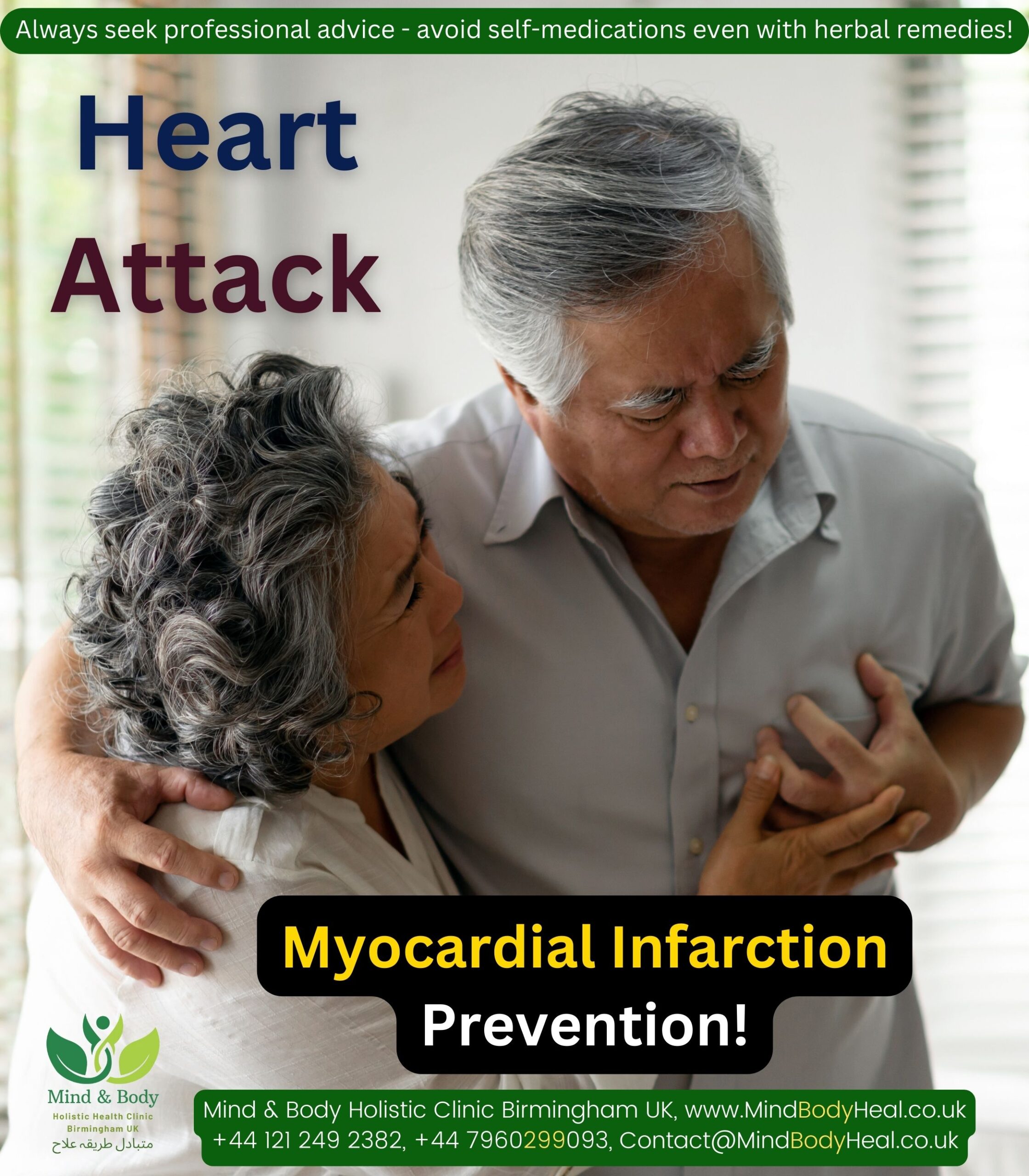
HEART ATTACK (Myocardial infarction)
A heart attack happens when the flow of oxygen-rich blood to a section of heart muscle suddenly becomes blocked, and the heart can’t get oxygen. The blockage usually occurs due to a buildup of fat, cholesterol and other substances in the heart (coronary) arteries.
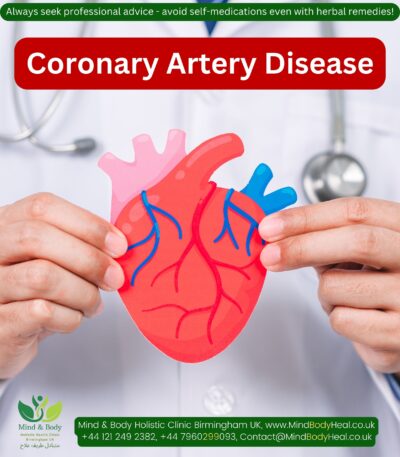
As an active muscle, the heart needs a continuous supply of oxygen. The coronary arteries have the job of carrying oxygen to the heart. These arteries have a difficult job to do because they undergo intense compression every time the heart beats. This job becomes even more difficult when the arteries are damaged by atherosclerosis (called “hardening of the arteries”) in a condition called coronary artery disease.
In coronary artery disease the passages inside the coronary arteries become narrowed by plaque deposits, which decreases blood flow. Sometimes, a plaque can rupture and form a clot that blocks blood flow. When the blood flow is decreased to a sufficient extent, pain caused by oxygen deprivation occurs. This pain is known as angina pectoris. Angina tends to wax and wane, generally worsening with exercise.
A heart attack may occur after years of angina, or with no warning signs at all. Most heart attacks occur when a blood clot (thrombus) forms on the roughened wall of an atherosclerotic coronary artery. Such a blood clot may lead to a sudden and complete blockage of the artery. More rarely, a spasm of a coronary artery may cut off blood flow. In either case, the cells of the heart fed by that artery begin to die. The region of dead cells is called an infarct, leading to the technical name for a heart attack: a myocardial infarction (MI).
Myocardial infarction is the tissue death (necrosis) of small portion of myocardium (muscle of the heart) due to improper / obstructed blood supply to the area. It occurs when blood flow decreases or stops to a part of the heart, causing damage to the heart muscle.
SIGN AND SYMPTOMS
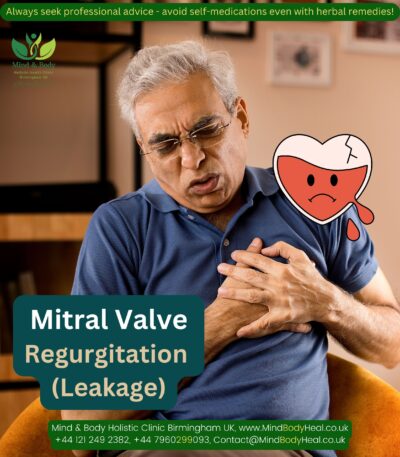
- The classic symptom is an intense, central severe chest burning pain – the chest can feel like it’s being pressed, squeezed by a heavy object, crushing, constricting, sharp, with feeling of strangling and suffocation and pain can radiate from the chest to the jaw, teeth, neck, upper abdomen and back.
- Pain may radiate to both arms or mostly along the left arm to the little finger and epigastric region and between the shoulder blades.
- Cold sweat
- Fatigue
- Heartburn or indigestion
- Light-headedness or sudden dizziness
- Nausea
- Shortness of breath
- Irregular heartbeats.
- Pale bluish lips or fingernails.
- Clammy skin.
- An overwhelming feeling of anxiety and fear.
- Chest fullness, or discomfort.
- Increased perspiration
- Feeling of impending doom
- Women are more likely than men to feel pain in their backs. Often, symptoms come on gradually and are intermittent or vague.
- A quarter of patients—more often women and people with diabetes—experience no symptoms at all!
- It’s important to know that not everyone experiences severe chest pain, particularly the case with many women. The pain can often be mild and mistaken for indigestion.
COMMON CAUSES
- Inadequate supply of oxygenated blood to the heart.
- Metabolic syndrome – a combination of at least three of the following things: enlarged waist (central obesity), high blood pressure, low good cholesterol, high triglycerides and high blood sugar.
- Atherosclerosis of the coronary artery.
- Arteriosclerosis
- Sudden emotional upsets.
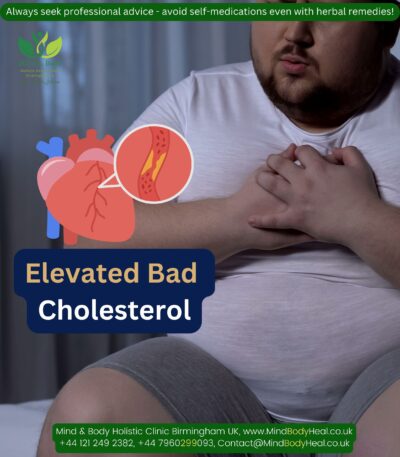
- Increased triglycerides and cholesterol.
- Sedentary life.
- Obesity
- Lack of exercise.
- Chronic consumption of alcohol.
- Chronic smoking.
- Drug abuse like – cocaine etc.
- Hypertension – high blood pressure
- Diabetes mellitus.
- Family history.
- An autoimmune condition such as rheumatoid arthritis or lupus can increase the risk of a heart attack
Further Complications of a heart attack
Complications of a heart attack can be serious and possibly life threatening.
These include:
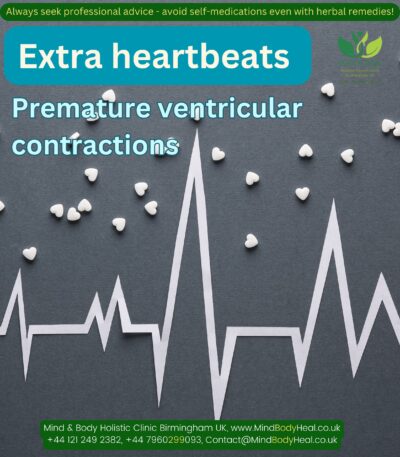
Arrhythmias – these are abnormal heartbeats. 1 type is where the heart begins beating faster and faster, then stops beating (cardiac arrest)
Cardiogenic shock – where the heart’s muscles are severely damaged and can no longer contract properly to supply enough blood to maintain many body functions.
Heart rupture – where the heart’s muscles, walls or valves split apart (rupture)
DIETARY MANAGEMENT
Patients with history of heart attack or family history should take following dietary measures to prevent the heart attack again.
- A healthy diet is low in saturated fat, trans fat, cholesterol and added sugars and other sweeteners,
- Cut down common table salt intake in your diet to avoid hypertension. Intake should not exceed more than 2 to 2.5 gm a day.
- Avoid foods rich in cholesterol: ground nut oil, ghee, butter, whole milk, eggs, lard (fats derived from pig meat), tallow (fats derived from goat or sheep mutton) – red meat, all non-vegetarian food contain cholesterol in varied amount.
- Increase intake of foods that contain PUFA’s (poly unsaturated fatty acids): flax / linseed oil is the richest source of PUFA’s. Other oils that contain PUFA’s are safflower oil, soybean oil, sesame oil, olive oil. As all oils are high in fats, its consumption should be limited. The intake of oils should not exceed 20gms a day.
- Sesame oil and almond oil hinders the absorption of LDL (low-density lipoproteins), so it is advisable to use replace other cooking oils by sesame oil.
- Increase your intake of water.
- Consume whole grain cereals and whole pulses.
- Take high fibre diet – whole grains, bran, oat, green leafy vegetables etc.
- Avoid fat-rich portions of flesh foods. Instead have lean meat.
- Avoid fat-rich desserts and fried snacks like cakes, pastries, puddings etc.
- Instead of frying food boil, steam, grill or roast food.
- Avoid coffee and caffeinated drinks, junk food – pizza, burgers etc.
- Consume food rich in magnesium.
- Nuts and sea food, green leafy vegetables, sea plants like Japanese sea plants, whole grains, peas, lotus stem, pulses, legumes and oil seeds.
- Increase intake of vitamin C, it maintains the elasticity and integrity of the artery walls.
- Citrus fruits, green leafy vegetables, vegetables- cabbage, broccoli, tubers- potatoes and sweet potatoes.
- Increase calcium intake:
- Milk and sea food, nuts- ground nuts, walnut, almond and cashew nuts; green leafy vegetables, whole grains, fruits like – custard apple and banana.
- Peas, lotus stem, pulses, legumes and oil seeds.
Preventing a heart attack
There are few basic steps you can take to reduce your risk of having a heart attack:
- Quit smoking
- Lose weight if you’re overweight or obese
- Regular exercise – adults should do at least 150 minutes (2 hours and 30 minutes) of moderate-intensity aerobic activity each week, unless advised otherwise by the doctor in charge of your care
- Eat a low-fat, high-fibre diet, including wholegrains and at least 5 portions of fruit and vegetables a day
- See you doctor for regular heart check-ups.
- Stop smoking and alcohol consumption.
- Do some relaxation techniques like yoga, meditation etc to relieve the stress .
- Change your lifestyle to reduce stress-physical or mental.
- Do regular exercise or brisk walking for at least 40 minutes.
EMERGECNY TREATMENT
The aim is to save those heart cells that are in danger of dying but are still hanging on to life.
If someone is having a heart attack, first call 911 or your local emergency number. Then check if the person is breathing and has a pulse. If the person isn’t breathing or you don’t find a pulse, only then should you begin cardiopulmonary resuscitation (CPR).
If you’re untrained in CPR, do hands-only CPR. That means push hard and fast on the person’s chest — about 100 to 120 compressions a minute.
If you’re trained in CPR and confident in your ability, start with 30 chest compressions before giving two rescue breaths.
When a heart attack occurs, emergency treatment at a hospital can minimize the extent of permanent damage to the heart.
In hospital, treatment for a heart attack depends on how serious it is.
- Using medicines to dissolve blood clots
- Surgery to help restore blood to the heart
“Clot busting” drugs, if given soon enough, can open the coronary arteries, allowing blood to flow again. Other methods of restoring blood flow include procedures known as angioplasty, stenting, and bypass surgery.
If only a small portion of the heart has died, or if it is in a relatively less important region, symptoms may be slight. More severe damage can cause the heart to pump improperly, leading to congestive heart failure.
During the first several days following a heart attack, the heart has a tendency to lose its normal rhythm and fall into a dysfunctional pattern of beating that does not properly circulate blood.
While waiting for an ambulance, it may help to chew and then swallow a tablet of aspirin – if recommended by your GP, (ideally 300mg), as long as the person having a heart attack is not allergic to aspirin. Aspirin may help to thin the blood and improves blood flow to the heart.
FREE Shipping included – Usually dispatched within 1 – 2 working days!
Are you concerned about your health or managing a recurring or chronic condition?
Our website provides informed guidance and initial supportive care for individuals who are finding it difficult to access their doctors or who have not experienced desired improvement with conventional options.
We help individuals explore a range of natural and holistic healing approaches to encourage balance and long-term wellness that may complement your healing journey.
We offer a ready-to-use complementary remedies kit designed to ease discomfort and support well-being, with clear instructions for each item.
The kit includes a personalised selection of remedies based on your signs, symptoms, and likely causative factors.
It may combine homeopathic medicines, herbal or daily supplements, a tailored diet plan, lifestyle guidance, practical tips, and topical applications where needed. It’s suitable if you value the healing potential of natural, holistic remedies.
Complementary remedies work best alongside standard medical treatments and can usually be taken safely with your regular medications.
Our homeopathic remedies follow Dr. Hahnemann’s traditional dilution and succussion methods and are prepared by a qualified naturopathic practitioner, supported by research, clinical experience, and observed outcomes in similar cases. Treatment duration can range from a few weeks to several months, depending on severity and chronicity. Outcomes vary with individual factors and case complexity.
If you prefer lactose pills instead of sucrose globules, let us know. Please also provide the patient’s age so we can supply appropriately sized pills. You can simply send this via WhatsApp at 07960 299 093.
These remedies may contain trace amounts of natural plant, mineral, or animal substances, preserved in medical-grade alcohol. Inform us of any allergies or dietary restrictions before purchase.
You may contact us before starting or book a detailed consultation (in person or via teleconsultation) with one of our experienced naturopath for your detailed assessment or personalized guidance.
Natural remedies can affect the body and may not suit everyone. At the start of treatment, some patients—especially with mental health or skin issues—may experience a temporary increase in symptoms. This may represent medicinal aggravation, indicating the body is responding, though symptoms may not be connected and simply coincidental. If they persist, contact us for support.
Why some patients choose natural, complementary or holistic remedies:
• Symptomatic relief and improved well-being
• Gentle options with fewer side effects
• Whole-person focus, addressing physical, emotional, and lifestyle factors
• Root-cause and preventive emphasis
• Encouragement of active self-care
• Support alongside conventional treatment
• Personalised and accessible care
Precautions:
• Inform your healthcare provider about any complementary therapies
• Some herbs or supplements may interact with conventional medications
• Do not replace conventional treatment for serious, chronic, or terminal conditions
These complementary remedy kits are provided for your own discretion and personal responsibility. Use them mindfully and avoid self-medicating in sensitive situations.
If you are looking for a specific remedy / kit not listed on our site or a customized formulation, contact us—our range is extensive and can be tailored to your physical and mental symptoms and causative factors.
Disclaimer:
Natural remedies—including homeopathic remedies, herbal supplements, and aromatherapy products—are generally safe for most people, including children and older adults. Still, consult your GP or healthcare provider before use, especially if pregnant, breastfeeding, or managing chronic or serious conditions.
- Our remedies support general wellness and are not a substitute for medical advice.
- Review product details and make informed decisions before purchasing, particularly for ongoing or serious concerns.
- We provide general guidance only; detailed personalised consultations are not available through this platform.
- These remedies are intended for individuals able to follow instructions independently.
- Our support focuses on product use and general information; repeated or highly detailed personal queries may not receive individual responses.
- If you need frequent reassurance or highly tailored advice, please consult a qualified naturopath or healthcare provider before purchasing.
Due to strict UK regulations on the sale of medicinal products, we cannot give specific advice, without a face-to-face consultation.