- Orthostatic means an upright posture.
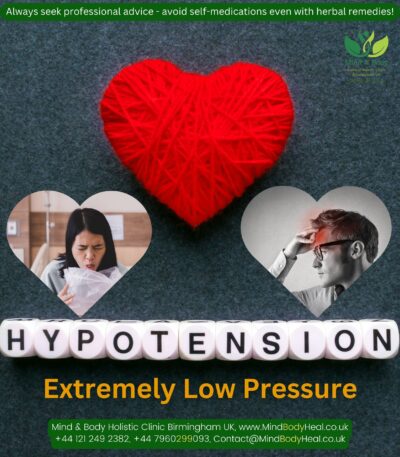
- Hypotension is low blood pressure.
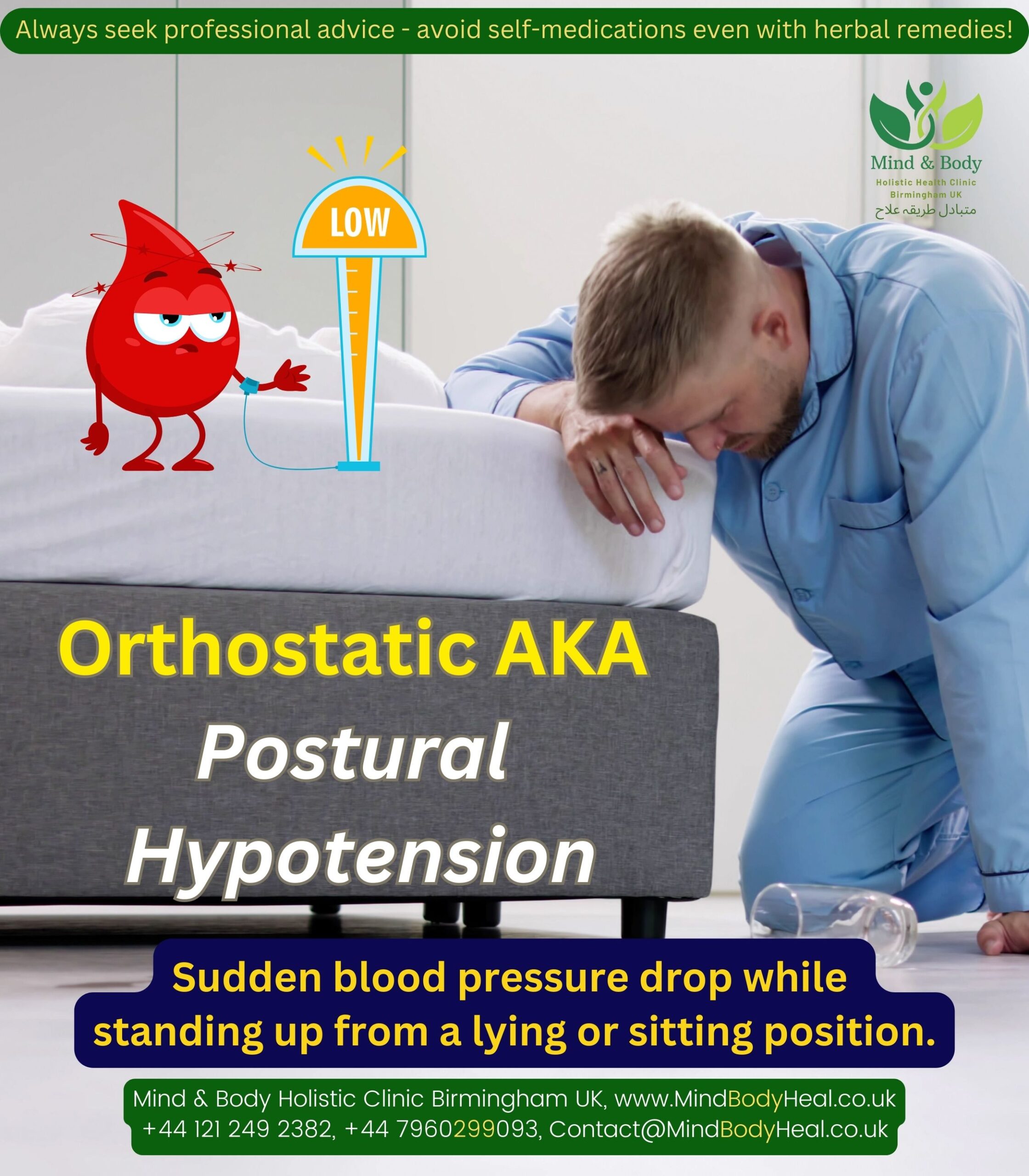
Orthostatic hypotension, also known as postural hypotension, occurs when a person’s blood pressure falls when suddenly standing up from a lying or sitting position.
Occasional orthostatic hypotension is usually caused by something very obvious, such as dehydration or lengthy bed rest, whereas long-lasting, recurrent or chronic orthostatic hypotension can signal more-serious problems.
The condition is common in those who are age 65 and older.
Most Common Symptoms
- Light-headedness or dizziness upon standing from sitting or lying position.
- Blurry vision
- Fainting (syncope)
- Confusion
- Chest pain, shoulder pain or neck pain.
- Difficulty concentrating.
- Fatigue or weakness.
- Headaches
- Heart palpitations.
- Nausea or feeling hot and sweaty.
- Shortness of breath (dyspnoea).
- Losing consciousness even few seconds, is serious.
Possible Causes & risk factors
When standing from a sitting or lying position, gravity causes blood to collect in the legs and belly and the blood
blood pressure drops because there’s less blood flowing back to the heart, particularly upon waking up in the morning as the heart is in more resting position during sleep.
Note: it is greatly suggested to sit for a little while on your bed, before making a full move.
Other causes and factors may include:
- Dehydration either not drinking enough water or from losing fluids e.g., excessive sweating, or due to diarrhoea, vomiting or diuretics – water pills.
- Blood loss – Your blood volume is low because you’ve lost blood.
- Anemia
- Vitamin B12 deficiency.
- Use of beta blockers and other high blood pressure medications e.g., alpha blockers, calcium channel blockers, angiotensin-converting enzyme (ACE) inhibitors, nitrates., also the drug Viagra (sildenafil) and antidepressants, antipsychotics, muscle relaxants, medications to treat erectile dysfunction and narcotics etc.
- may cause orthostatic hypotension.
- Your autonomic nervous system, which brings your blood pressure back to normal isn’t working right.
- Certain health conditions such as Parkinson disease, Lewy body dementia, pure autonomic failure, amyloidosis or multiple system atrophy.
- Endocrine or hormonal problems, including diabetes or hypoglycaemia (very low sugar levels), thyroid disease and Addison disease or adrenal gland disorder.
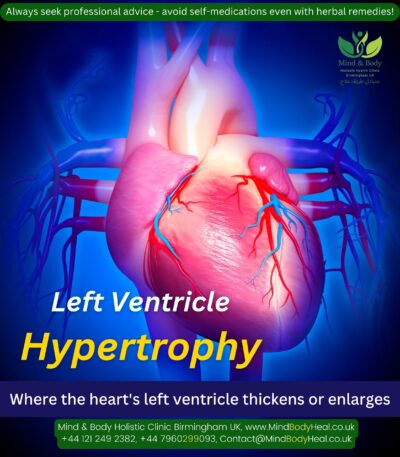
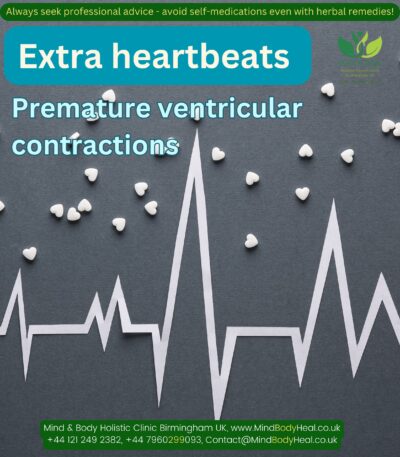
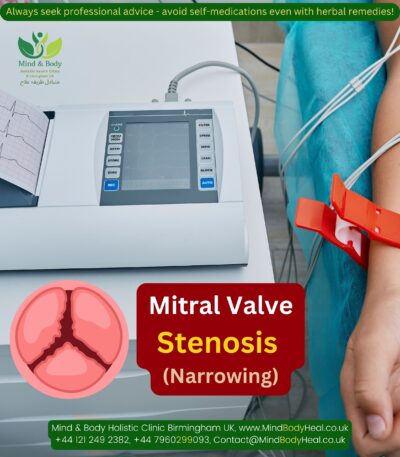
- Heart conditions, including arrhythmias, low heart rate, heart attack, heart failure and heart valve disease.
- During pregnancy if you’ve been lying down a long time, especially during the first 24 weeks.
- Prolonged immobility because of a debilitating illness.
- Post meals – Some people have low blood pressure after eating meals (postprandial hypotension).
- Being in a hot environment or heat exposure can cause heavy sweating and possibly dehydration, which can lower blood pressure.
- Drinking alcohol can increase the risk of orthostatic hypotension.
Complications
Persistent orthostatic hypotension can cause serious complications, especially in older adults., such as greater risks of falls, stroke due to the reduced blood supply to the brain and various other heart diseases.
Prevention and quick recovery.
- Keeping hydrated helps prevent symptoms of low blood pressure.
- Drink plenty of water before long periods of standing, or any activities that tend to trigger your symptoms.
- Avoid alcohol.
- Address the underlying cause.
- For mild orthostatic hypotension – sit or lie down immediately after feeling lightheaded upon standing.
- Elevate or put your feet above the level of your heart.
- Getting up slowly and give your blood vessels time to adjust.
- Wearing support stockings: These helps prevent blood from pooling in your legs, which can help increase your blood pressure.
- Eating small, frequent meals can help prevent blood pressure drops after eating.
- Limiting hot environments: Avoid hot baths, saunas, and vigorous exercise, which can cause blood vessels dilation.
- Salted roasted nuts are convenient snack that can help with hypotension.
- Drink Caffeinated coffee or tea and avoid High-carbohydrate foods such as potatoes, rice, pasta, and bread.
- Consume more Protein e.g., meat, fish, Quorn, soya, or beans, Low-GI carbohydrates: Eat brown rice or pasta, sweet potato, or wholegrain, seeded, or rye bread, Bananas, spinach, and cottage cheese, Walnuts and olives.
FREE Shipping included – Usually dispatched within 1 – 2 working days!
Are you concerned about your health or managing a recurring or chronic condition?
Our website provides informed guidance and initial supportive care for individuals who are finding it difficult to access their doctors or who have not experienced desired improvement with conventional options.
We help individuals explore a range of natural and holistic healing approaches to encourage balance and long-term wellness that may complement your healing journey.
We offer a ready-to-use complementary remedies kit designed to ease discomfort and support well-being, with clear instructions for each item.
The kit includes a personalised selection of remedies based on your signs, symptoms, and likely causative factors.
It may combine homeopathic medicines, herbal or daily supplements, a tailored diet plan, lifestyle guidance, practical tips, and topical applications where needed. It’s suitable if you value the healing potential of natural, holistic remedies.
Complementary remedies work best alongside standard medical treatments and can usually be taken safely with your regular medications.
Our homeopathic remedies follow Dr. Hahnemann’s traditional dilution and succussion methods and are prepared by a qualified naturopathic practitioner, supported by research, clinical experience, and observed outcomes in similar cases. Treatment duration can range from a few weeks to several months, depending on severity and chronicity. Outcomes vary with individual factors and case complexity.
If you prefer lactose pills instead of sucrose globules, let us know. Please also provide the patient’s age so we can supply appropriately sized pills. You can simply send this via WhatsApp at 07960 299 093.
These remedies may contain trace amounts of natural plant, mineral, or animal substances, preserved in medical-grade alcohol. Inform us of any allergies or dietary restrictions before purchase.
You may contact us before starting or book a detailed consultation (in person or via teleconsultation) with one of our experienced naturopath for your detailed assessment or personalized guidance.
Natural remedies can affect the body and may not suit everyone. At the start of treatment, some patients—especially with mental health or skin issues—may experience a temporary increase in symptoms. This may represent medicinal aggravation, indicating the body is responding, though symptoms may not be connected and simply coincidental. If they persist, contact us for support.
Why some patients choose natural, complementary or holistic remedies:
• Symptomatic relief and improved well-being
• Gentle options with fewer side effects
• Whole-person focus, addressing physical, emotional, and lifestyle factors
• Root-cause and preventive emphasis
• Encouragement of active self-care
• Support alongside conventional treatment
• Personalised and accessible care
Precautions:
• Inform your healthcare provider about any complementary therapies
• Some herbs or supplements may interact with conventional medications
• Do not replace conventional treatment for serious, chronic, or terminal conditions
These complementary remedy kits are provided for your own discretion and personal responsibility. Use them mindfully and avoid self-medicating in sensitive situations.
If you are looking for a specific remedy / kit not listed on our site or a customized formulation, contact us—our range is extensive and can be tailored to your physical and mental symptoms and causative factors.
Disclaimer:
Natural remedies—including homeopathic remedies, herbal supplements, and aromatherapy products—are generally safe for most people, including children and older adults. Still, consult your GP or healthcare provider before use, especially if pregnant, breastfeeding, or managing chronic or serious conditions.
- Our remedies support general wellness and are not a substitute for medical advice.
- Review product details and make informed decisions before purchasing, particularly for ongoing or serious concerns.
- We provide general guidance only; detailed personalised consultations are not available through this platform.
- These remedies are intended for individuals able to follow instructions independently.
- Our support focuses on product use and general information; repeated or highly detailed personal queries may not receive individual responses.
- If you need frequent reassurance or highly tailored advice, please consult a qualified naturopath or healthcare provider before purchasing.
Due to strict UK regulations on the sale of medicinal products, we cannot give specific advice, without a face-to-face consultation.