
MIGRAINE
Migraine is one of the most common ailments of the nervous system.
It causes recurrent throbbing or pulsating headaches usually one sided accompanied with nausea, vomiting, and extreme sensitivity to light and sound or other neurological signs.
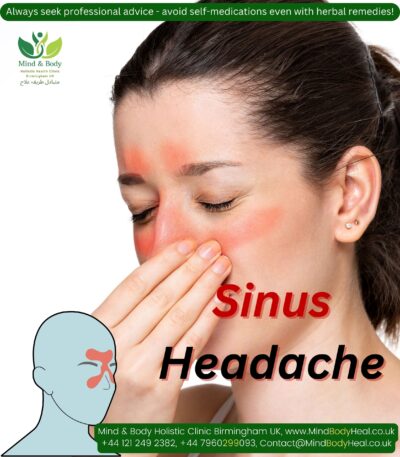
It can also accompany sinus problems, muscle tension (tension headaches), eyestrain, blood sugar imbalances, or hormonal imbalances, such as premenstrual syndrome etc.
Migraine attacks can last for hours to days, and the pain can be so bad that it interferes with your daily activities.
The sufferer is completely normal between two episodes and may or may not get certain warning signs before an attack. Reoccurring once a month, in some people, it is often once or twice a week.
Classical Migraine – About 20% of all the cases.
They are preceded by an aura – light-headedness, sparkles or flashlights, super sensitivity to noise etc. this aura lasts for 15-45 minutes and is followed by pounding, throbbing headache.
Common Migraine – they usually lack the aura or the warning symptoms. In common migraine the pain involves the whole head instead of just temples or one side of the head.
Common Symptoms:
Aura or warning signs before an attack can be.
- Mood changes, from depression to euphoria.
- Visual sings such as seeing dazzling, zigzag lights, vision loss.
- Light intolerance.
- Tinnitus or ringing in ears.
- Dizziness
- Increased thirst.
- Excessive drowsiness.
- Feeling of excess of energy or elation.
- Craving of sweets or a particular food such as chocolate or banana etc
- Constipation
- Food cravings.
- Neck stiffness.
- Increased urination.
- Fluid retention.
- Frequent yawning.
- Tingling, pins and needles sensations in an arm or leg.
- Weakness or numbness in the face or one side of the body.
- Difficulty speaking.
Prominent symptoms during an attack:
- Severe dull headache, usually on one side of your head, but can be on both sides.
- Pain that throbs or pulses.
- Pains in temples or face, sinus, jaw or neck area.
- Nausea and vomiting.
- Light headedness.
- Headache increased by movements.
- Giddiness
- Intolerance of light, noise, smell or touch.
- Increased irritation.
- Pale face.
- Tenderness of scalp.
- Decreased sensation around the mouth.
- Mood changes.
- Anxiety
- Feeling of “pressure” or “tightness” across the forehead or on the sides and back of the eyes
- Speech difficulty
- Irritability
- Muscles aches
- Eye Strain and Dryness
- Fatigue
- Disturbed concentration/inability to focus.
- Loss of appetite
Common Causes, triggers or risk factors of migraine
There are underlying two primary beliefs:
- Either related to epileptic seizures and originate in the nervous tissue of the brain; or
- Blood vessels in the skull cause headache pain when they dilate or contract.
Other risk factors may include:
- Family history.
- More common in young females during their reproductive age. Women are affected 3 times more than man!
- Between the age of 15 to 55 years.
- History of motion sickness.
- Stress for an examination, important interview etc.
- Emotional issues such as anxiety, depression resulting from job, family life, social interactions, bad home situation, caring of a parent, finances and poor health issues etc.
- Before or during menses.
- Empty stomach or missing meals.
- Drugs use – birth control pills.
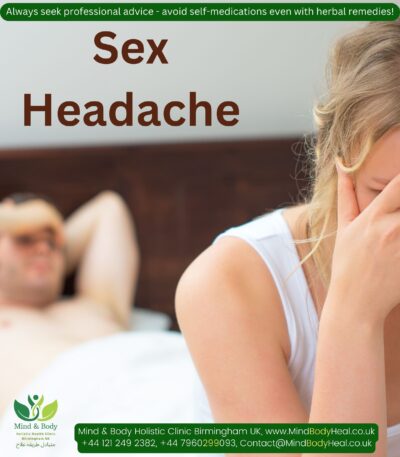
- Overexertion or fatigue after exercise, sexual activity.
- Cold food.
- Exposure to sun.
- Loss of sleep or excessive sleep.
- Excessive or flickering light.
- Inflammatory conditions that affect the nerve roots in the neck.
- Excessive Alcohol / Smoking
- A Cold or Flu / A Sinus Infection
- Poor Posture
- Tension Headache
- Hormonal Changes
- Staring at a computer screen for a long time
- Driving for long periods.
- Cold temperatures
- Dietary allergens – such as alcoholic beverages, cheese, chocolate, peanuts, red wine, lactose, avocados etc.
- Excessive noise.
- Watching television or a movie.
- Iron deficiency – anaemia
- Low blood sugar.
- Vitamin B deficiency.
- On withdrawal from caffeine.
DIETARY MANAGEMENT
- Avoid stress and learn to cope with it.
- Practice yoga will help to deal with stress.
- Avoid smoking or even being around a cigar or a cigarette smoke.
- Avoid alcohol, red wine champagne.
- Avoid coffee and caffeinated drinks. The more caffeine you consume more chances of having headaches.
- Do not suddenly stop caffeine intake, you may get withdrawal symptoms. Reduce caffeine intake gradually.
- Do not drink or eat anything that has sweets or artificial sweeteners.
- Avoid canned foods and food with preservatives, foods with artificial colors.
- Avoid food you are allergic to. If you don’t know what food triggers the migraine, avoid foods listed above.
- Avoid monosodium glutamate, used in Chinese cooking.
- Avoid missing meals or fasting.
- Do not overeat.
- Avoid overexertion. Do regular moderate exercise.
- Avoid going out in sun; carry an umbrella or dark glasses when out in sun.
- Avoid taking pain killers and oral contraceptives.
- Avoid all perfumes, scented laundry detergents, deodorants, air fresheners, candles, shampoo etc.
FREE Shipping included – Usually dispatched within 1 – 2 working days!
Are you concerned about your health or managing a recurring or chronic condition?
Our website provides informed guidance and initial supportive care for individuals who are finding it difficult to access their doctors or who have not experienced desired improvement with conventional options.
We help individuals explore a range of natural and holistic healing approaches to encourage balance and long-term wellness that may complement your healing journey.
We offer a ready-to-use complementary remedies kit designed to ease discomfort and support well-being, with clear instructions for each item.
The kit includes a personalised selection of remedies based on your signs, symptoms, and likely causative factors.
It may combine homeopathic medicines, herbal or daily supplements, a tailored diet plan, lifestyle guidance, practical tips, and topical applications where needed. It’s suitable if you value the healing potential of natural, holistic remedies.
Complementary remedies work best alongside standard medical treatments and can usually be taken safely with your regular medications.
Our homeopathic remedies follow Dr. Hahnemann’s traditional dilution and succussion methods and are prepared by a qualified naturopathic practitioner, supported by research, clinical experience, and observed outcomes in similar cases. Treatment duration can range from a few weeks to several months, depending on severity and chronicity. Outcomes vary with individual factors and case complexity.
If you prefer lactose pills instead of sucrose globules, let us know. Please also provide the patient’s age so we can supply appropriately sized pills. You can simply send this via WhatsApp at 07960 299 093.
These remedies may contain trace amounts of natural plant, mineral, or animal substances, preserved in medical-grade alcohol. Inform us of any allergies or dietary restrictions before purchase.
You may contact us before starting or book a detailed consultation (in person or via teleconsultation) with one of our experienced naturopath for your detailed assessment or personalized guidance.
Natural remedies can affect the body and may not suit everyone. At the start of treatment, some patients—especially with mental health or skin issues—may experience a temporary increase in symptoms. This may represent medicinal aggravation, indicating the body is responding, though symptoms may not be connected and simply coincidental. If they persist, contact us for support.
Why some patients choose natural, complementary or holistic remedies:
• Symptomatic relief and improved well-being
• Gentle options with fewer side effects
• Whole-person focus, addressing physical, emotional, and lifestyle factors
• Root-cause and preventive emphasis
• Encouragement of active self-care
• Support alongside conventional treatment
• Personalised and accessible care
Precautions:
• Inform your healthcare provider about any complementary therapies
• Some herbs or supplements may interact with conventional medications
• Do not replace conventional treatment for serious, chronic, or terminal conditions
These complementary remedy kits are provided for your own discretion and personal responsibility. Use them mindfully and avoid self-medicating in sensitive situations.
If you are looking for a specific remedy / kit not listed on our site or a customized formulation, contact us—our range is extensive and can be tailored to your physical and mental symptoms and causative factors.
Disclaimer:
Natural remedies—including homeopathic remedies, herbal supplements, and aromatherapy products—are generally safe for most people, including children and older adults. Still, consult your GP or healthcare provider before use, especially if pregnant, breastfeeding, or managing chronic or serious conditions.
- Our remedies support general wellness and are not a substitute for medical advice.
- Review product details and make informed decisions before purchasing, particularly for ongoing or serious concerns.
- We provide general guidance only; detailed personalised consultations are not available through this platform.
- These remedies are intended for individuals able to follow instructions independently.
- Our support focuses on product use and general information; repeated or highly detailed personal queries may not receive individual responses.
- If you need frequent reassurance or highly tailored advice, please consult a qualified naturopath or healthcare provider before purchasing.
Due to strict UK regulations on the sale of medicinal products, we cannot give specific advice, without a face-to-face consultation.