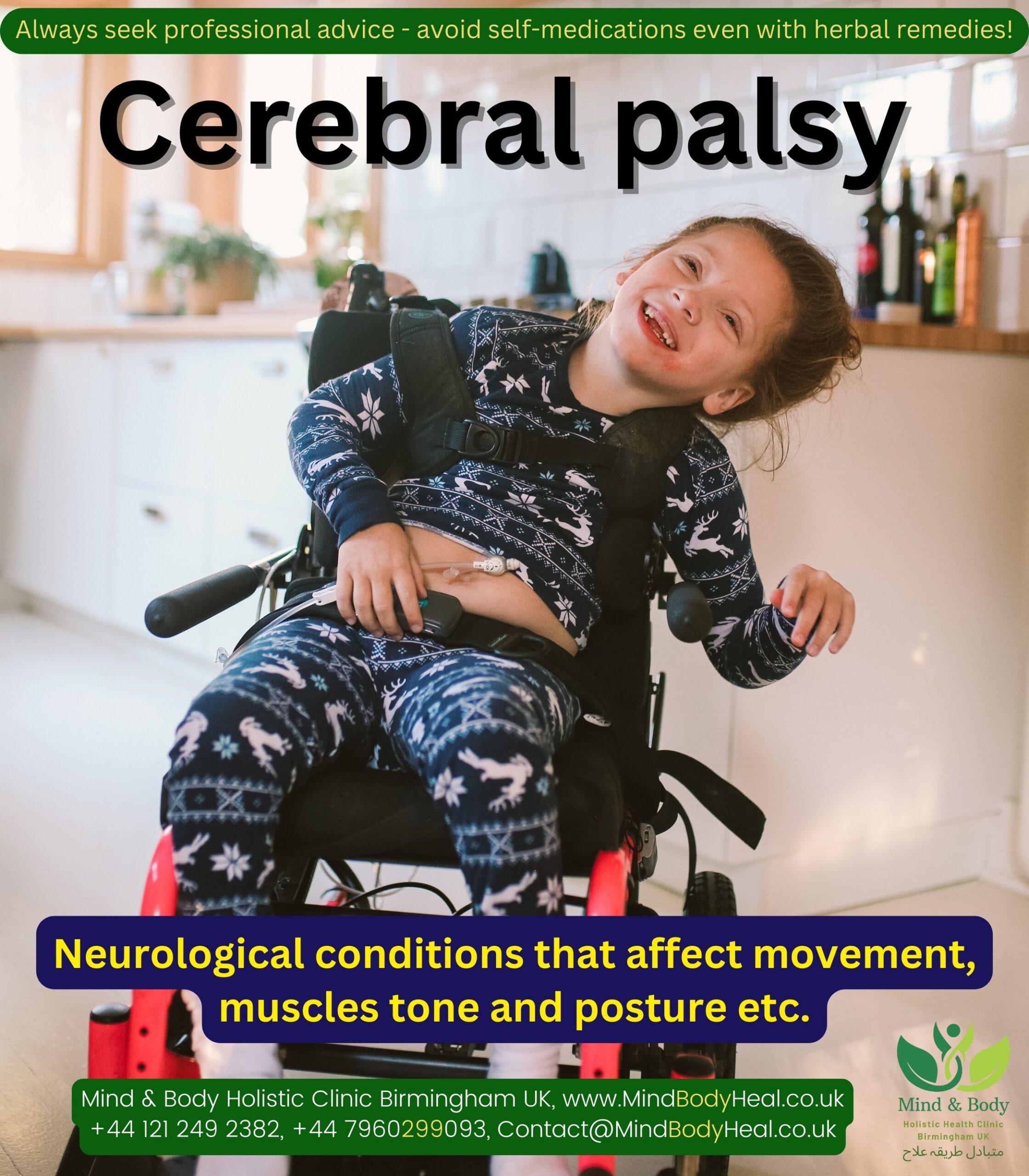
Cerebral palsy is a group of neurological conditions that affect movement, muscles tone and posture, that is mainly due to damage to a child’s brain during foetal development.
The symptoms of cerebral palsy may vary during the child’s development, but the condition doesn’t get worse and generally stays the same over time.
The cause of cerebral palsy and its effect on bodily functions vary from person to person.
The main effect of Cerebral Palsy is that it disrupts control of muscles movement.
Common Symptoms
The signs and symptoms of CP appear early in childhood or preschool years and can vary widely from person to person. In some it may affect the whole body while in others the condition might only affect one or two limbs or one side of the body.
General symptoms may include.
- Trouble with movement and coordination
- Speech and eating disorder
- Intellectual disabilities
- Irregular posture
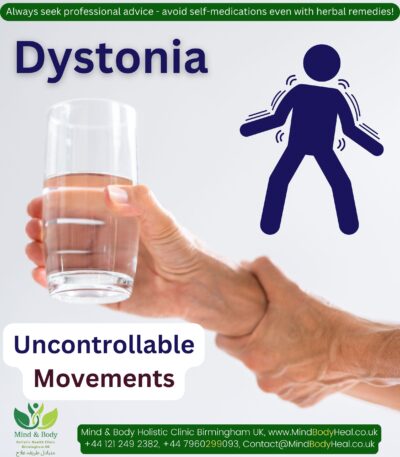
- Ataxia – uncontrollable body movements
- Hard to swallow food
- Eye muscles imbalance where eyes don’t focus on the same object.
- Reduced range of motion in joints due to muscle stiffness.
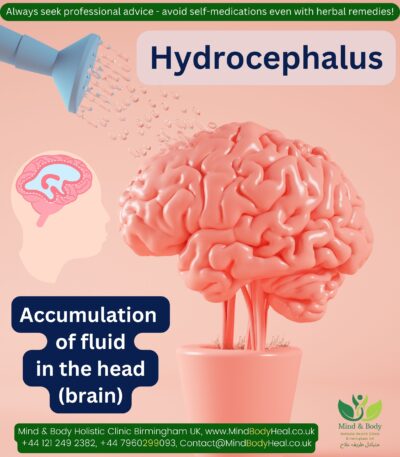
- Head size differences: including an unusually small head (microcephaly) or an unusually large head (macrocephaly).
- Babies with CP may seem fussy or irritable frequently.
- Lack of interaction – may not react to people around them.
- Hypotonia – a lack of muscle tone
- Delayed in reaching some expected developmental milestones such as sitting up or crawling
- Movements that look like they’re slow and writhing or twisting.
- Movements that look like you’re flinging or throwing or fidgeting or dancing.
- Stiff muscles and exaggerated reflexes, known as spasticity.
- Variations in muscle tone, such as being either too stiff or too floppy.
- Stiff muscles with regular reflexes, known as rigidity.
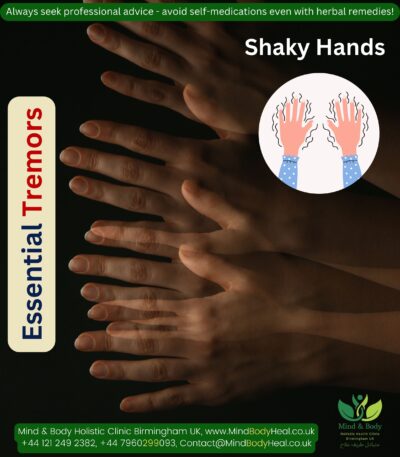
- Jerky movements that can’t be controlled, known as tremors.
- Favoring one side of the body, such as only reaching with one hand or dragging a leg while crawling.
- Walk on toes or crouch down when they walk.
- Scissors-like Walk with their knees crossing.
- A wide gait or a walk that’s not steady.
- Trouble with fine motor skills, such as buttoning clothes or picking up utensils.
- Delays in speech development.
- Trouble with sucking, chewing or eating.
- Drooling or trouble with swallowing.
- Learning disabilities.
- Delayed growth, resulting in smaller size.
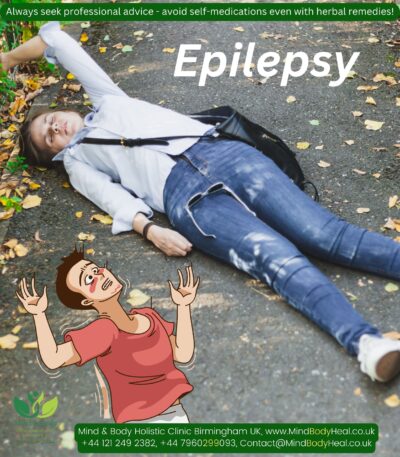
- Seizures, which are symptoms of epilepsy.
- Trouble hearing – deafness
- Trouble with vision e.g., blindness and changes in eye movements.
- Pain or trouble feeling sensations such as touch.
- Bladder and bowel issues, including constipation and urinary incontinence.
Possible Causes & Risk Factors
Damage to the developing brain that occurs, most often before birth, but it can occur during birth or in early infancy.
Many other factors can also lead to changes in brain development. Some include:
- Preterm (premature) birth with very low birth weight – babies born before 28 weeks of gestation are at higher risk
- Congenital malformations due to disruptions in fetal brain development.
- Genetic issues affecting fetal development.
- Maternal infections during pregnancy
- Stroke, which interrupts blood supply to the developing brain.
- Bleeding into the brain in the womb or as a newborn.
- Traumatic head injury e.g., a fall or physical trauma.
- Lack of oxygen to the brain during labor or delivery,
- Infections in brain or spinal cord.
- Brain damage from toxic buildups in liver or jaundice.
- Meconium aspiration.
- Newborn hypoglycaemia.
- Suffocation
- Substance use by a mom during pregnancy
- Multiple foetuses (twins, triplets, etc.).
- Cytomegalovirus to a mother during pregnancy – that causes flu-like symptoms.
- Herpes infection, Toxoplasmosis, syphilis or intrauterine infections that can be passed from mother to child during pregnancy and affect the placenta.
- German measles, known as rubella.
- Exposure to toxins
- Other conditions affecting the mother that can increase the risk include thyroid conditions, preeclampsia or seizures.
- Infant illness e.g., Bacterial meningitis or Viral encephalitis etc.
FREE Shipping included – Usually dispatched within 1 – 2 working days!
Are you concerned about your health or managing a recurring or chronic condition?
Our website provides informed guidance and initial supportive care for individuals who are finding it difficult to access their doctors or who have not experienced desired improvement with conventional options.
We help individuals explore a range of natural and holistic healing approaches to encourage balance and long-term wellness that may complement your healing journey.
We offer a ready-to-use complementary remedies kit designed to ease discomfort and support well-being, with clear instructions for each item.
The kit includes a personalised selection of remedies based on your signs, symptoms, and likely causative factors.
It may combine homeopathic medicines, herbal or daily supplements, a tailored diet plan, lifestyle guidance, practical tips, and topical applications where needed. It’s suitable if you value the healing potential of natural, holistic remedies.
Complementary remedies work best alongside standard medical treatments and can usually be taken safely with your regular medications.
Our homeopathic remedies follow Dr. Hahnemann’s traditional dilution and succussion methods and are prepared by a qualified naturopathic practitioner, supported by research, clinical experience, and observed outcomes in similar cases. Treatment duration can range from a few weeks to several months, depending on severity and chronicity. Outcomes vary with individual factors and case complexity.
If you prefer lactose pills instead of sucrose globules, let us know. Please also provide the patient’s age so we can supply appropriately sized pills. You can simply send this via WhatsApp at 07960 299 093.
These remedies may contain trace amounts of natural plant, mineral, or animal substances, preserved in medical-grade alcohol. Inform us of any allergies or dietary restrictions before purchase.
You may contact us before starting or book a detailed consultation (in person or via teleconsultation) with one of our experienced naturopath for your detailed assessment or personalized guidance.
Natural remedies can affect the body and may not suit everyone. At the start of treatment, some patients—especially with mental health or skin issues—may experience a temporary increase in symptoms. This may represent medicinal aggravation, indicating the body is responding, though symptoms may not be connected and simply coincidental. If they persist, contact us for support.
Why some patients choose natural, complementary or holistic remedies:
• Symptomatic relief and improved well-being
• Gentle options with fewer side effects
• Whole-person focus, addressing physical, emotional, and lifestyle factors
• Root-cause and preventive emphasis
• Encouragement of active self-care
• Support alongside conventional treatment
• Personalised and accessible care
Precautions:
• Inform your healthcare provider about any complementary therapies
• Some herbs or supplements may interact with conventional medications
• Do not replace conventional treatment for serious, chronic, or terminal conditions
These complementary remedy kits are provided for your own discretion and personal responsibility. Use them mindfully and avoid self-medicating in sensitive situations.
If you are looking for a specific remedy / kit not listed on our site or a customized formulation, contact us—our range is extensive and can be tailored to your physical and mental symptoms and causative factors.
Disclaimer:
Natural remedies—including homeopathic remedies, herbal supplements, and aromatherapy products—are generally safe for most people, including children and older adults. Still, consult your GP or healthcare provider before use, especially if pregnant, breastfeeding, or managing chronic or serious conditions.
- Our remedies support general wellness and are not a substitute for medical advice.
- Review product details and make informed decisions before purchasing, particularly for ongoing or serious concerns.
- We provide general guidance only; detailed personalised consultations are not available through this platform.
- These remedies are intended for individuals able to follow instructions independently.
- Our support focuses on product use and general information; repeated or highly detailed personal queries may not receive individual responses.
- If you need frequent reassurance or highly tailored advice, please consult a qualified naturopath or healthcare provider before purchasing.
Due to strict UK regulations on the sale of medicinal products, we cannot give specific advice, without a face-to-face consultation.